1 / 5
 Karam Tools


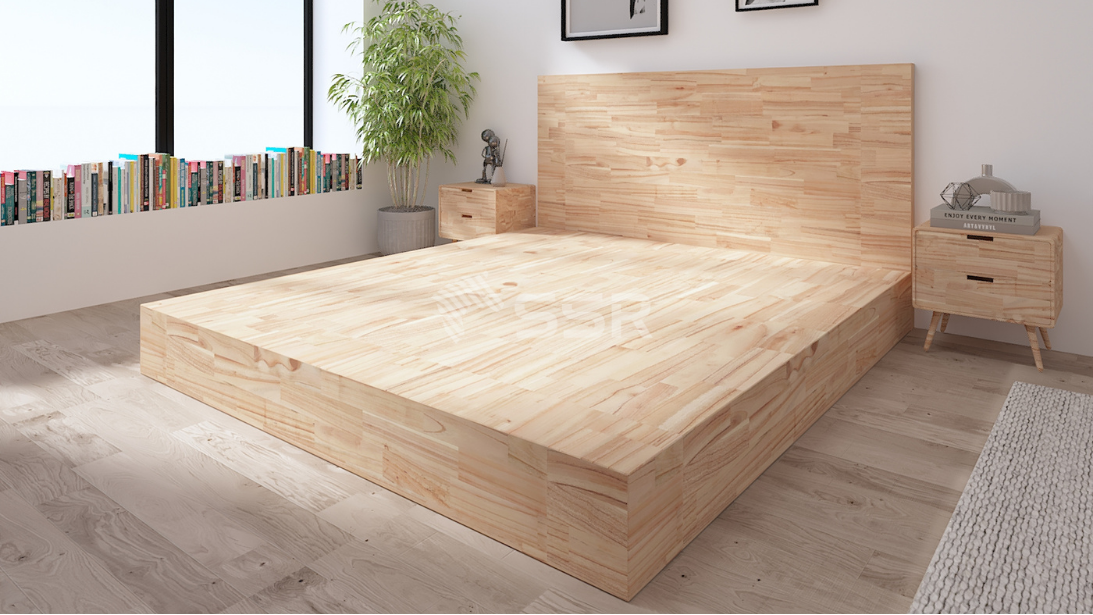
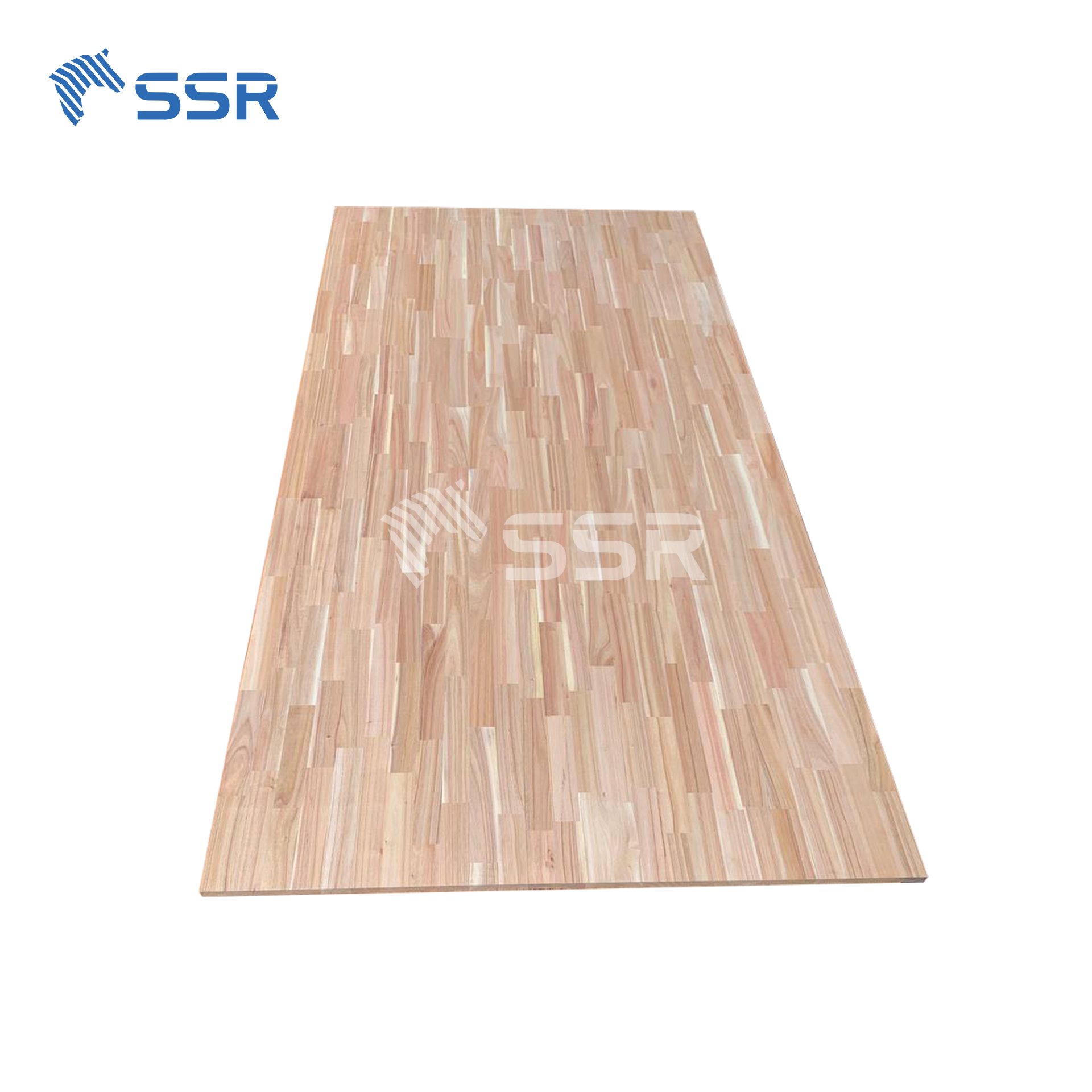
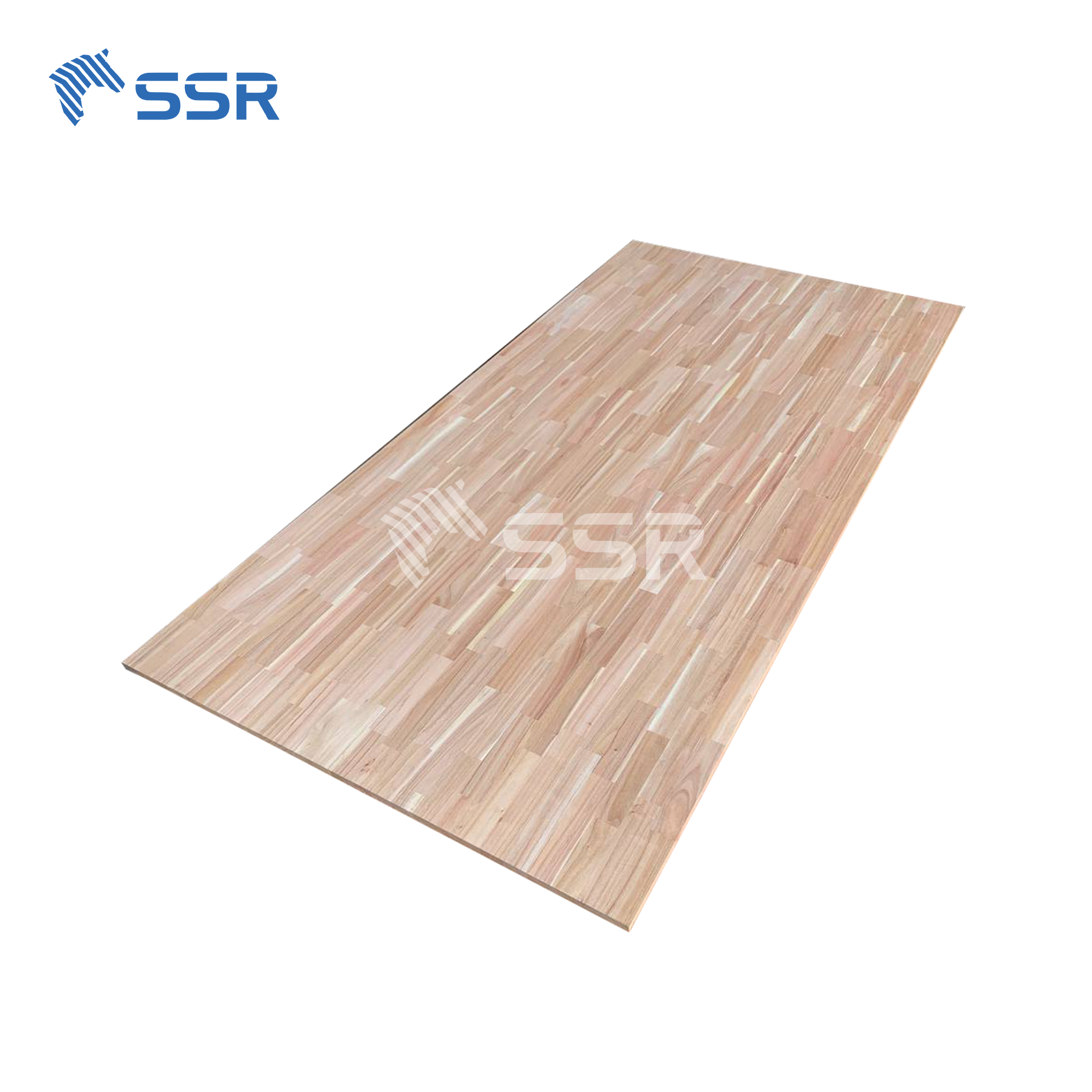
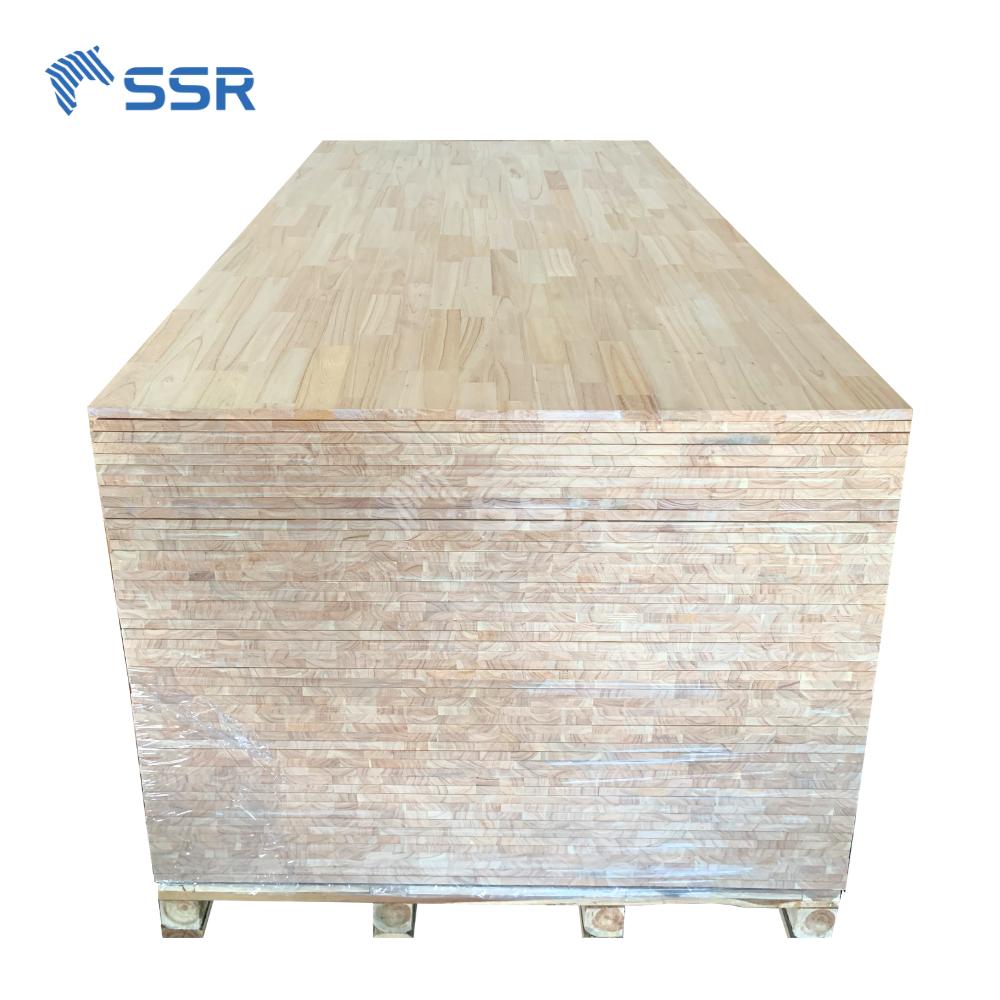
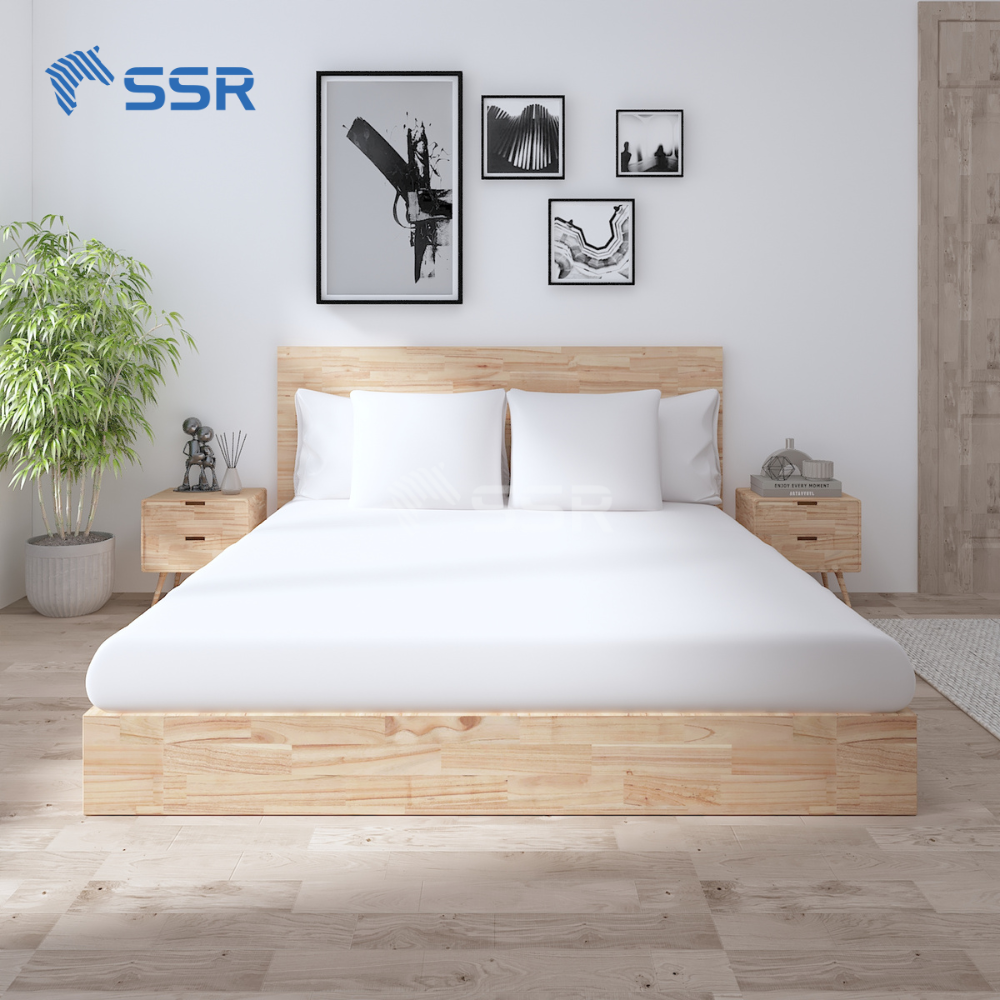
Melia/Sapele/Chinaberry finger joint boards are the ideal choice for international distributors, furniture manufacturers, and designers. Produced from sustainably sourced timber, our finger joint boards undergo a modern kiln-drying process to achieve optimal moisture content and superior warp resistance.
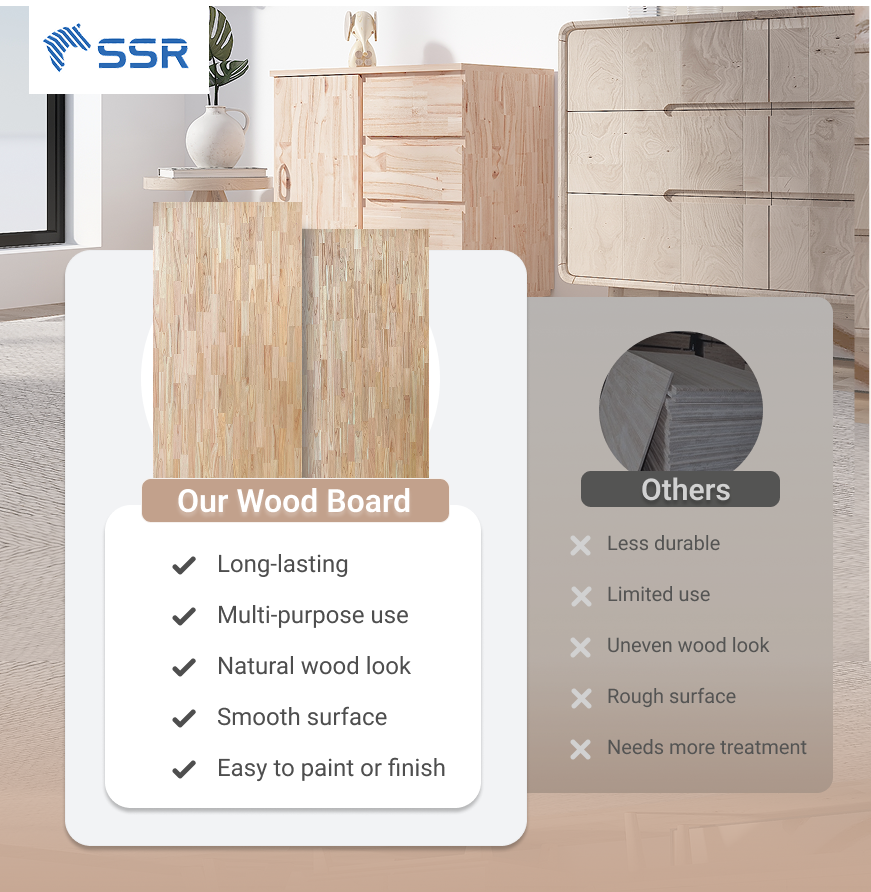
The product offers durability, stability, and ease of machining, making it suitable for all applications, from furniture to construction elements. We commit to international quality standards, ensuring a consistent supply and competitive pricing. Elevate your projects with premium finger joint boards.

| Product name | Chinaberry/Sapele/Melia Finger Joint Board |
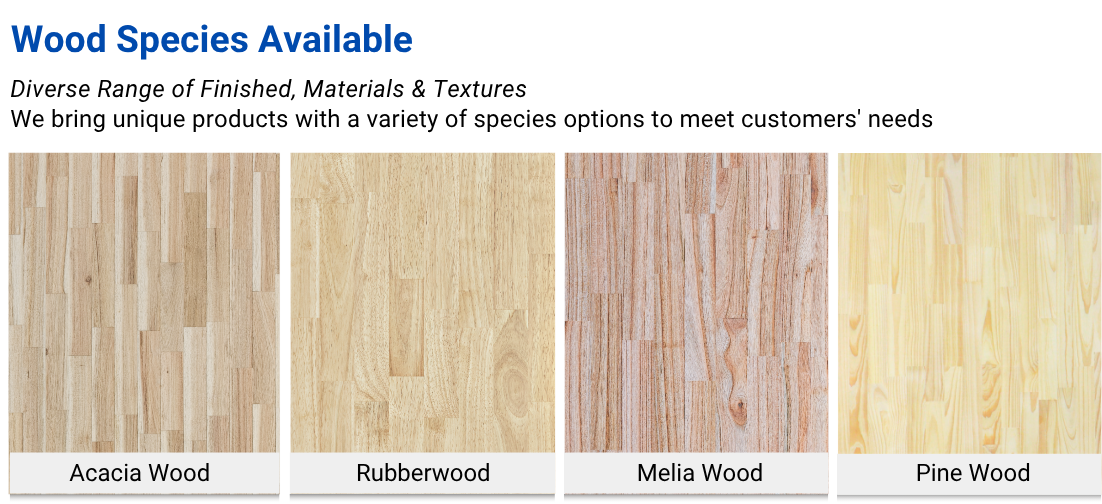
| Species | Chinaberry/Sapele/Melia Wood |
| Moisture content | ≤ 12% |
| Grade | AB, AC or customize according to customer’s request |
| Stave width (mm) | 35-80 (customizable) |
| Stave length (mm) | 150-600 |
| Width & length tolerance (mm) | 1-5 mm |
| Thickness tolerance (mm) | +/- 0.2 mm |
| Glue | D4 (Koyobond) |
| Sanding grits | 240/320 |
| Density (kg/m3) | 600 |
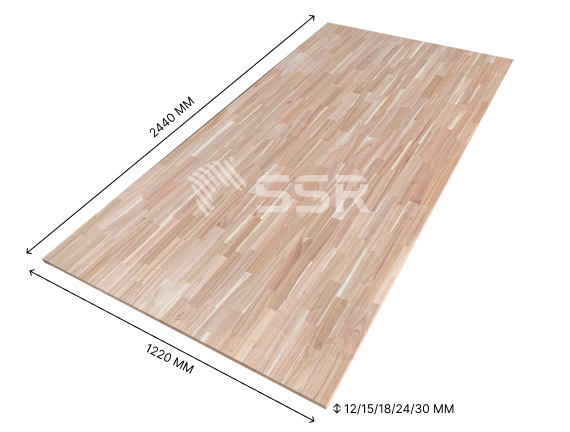
| Thickness (mm) | 12/15/18/20/24/30/40 |
| Width (mm) | 1220 |
| Length (mm) | 2440 |

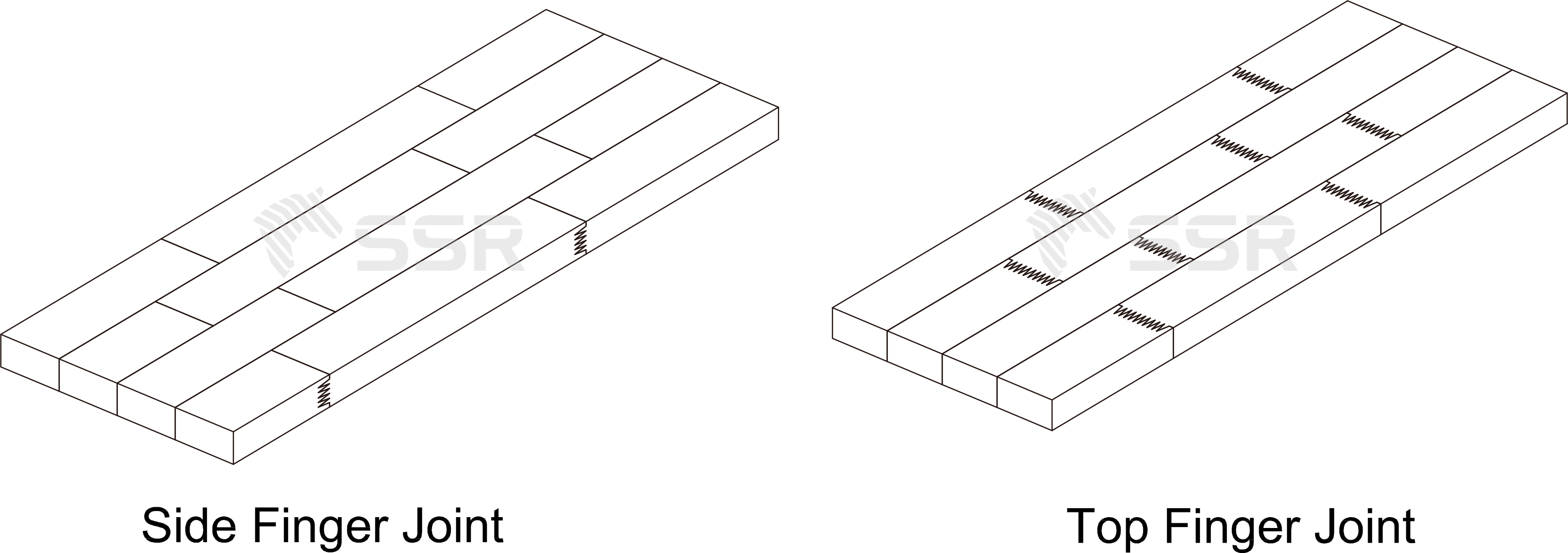
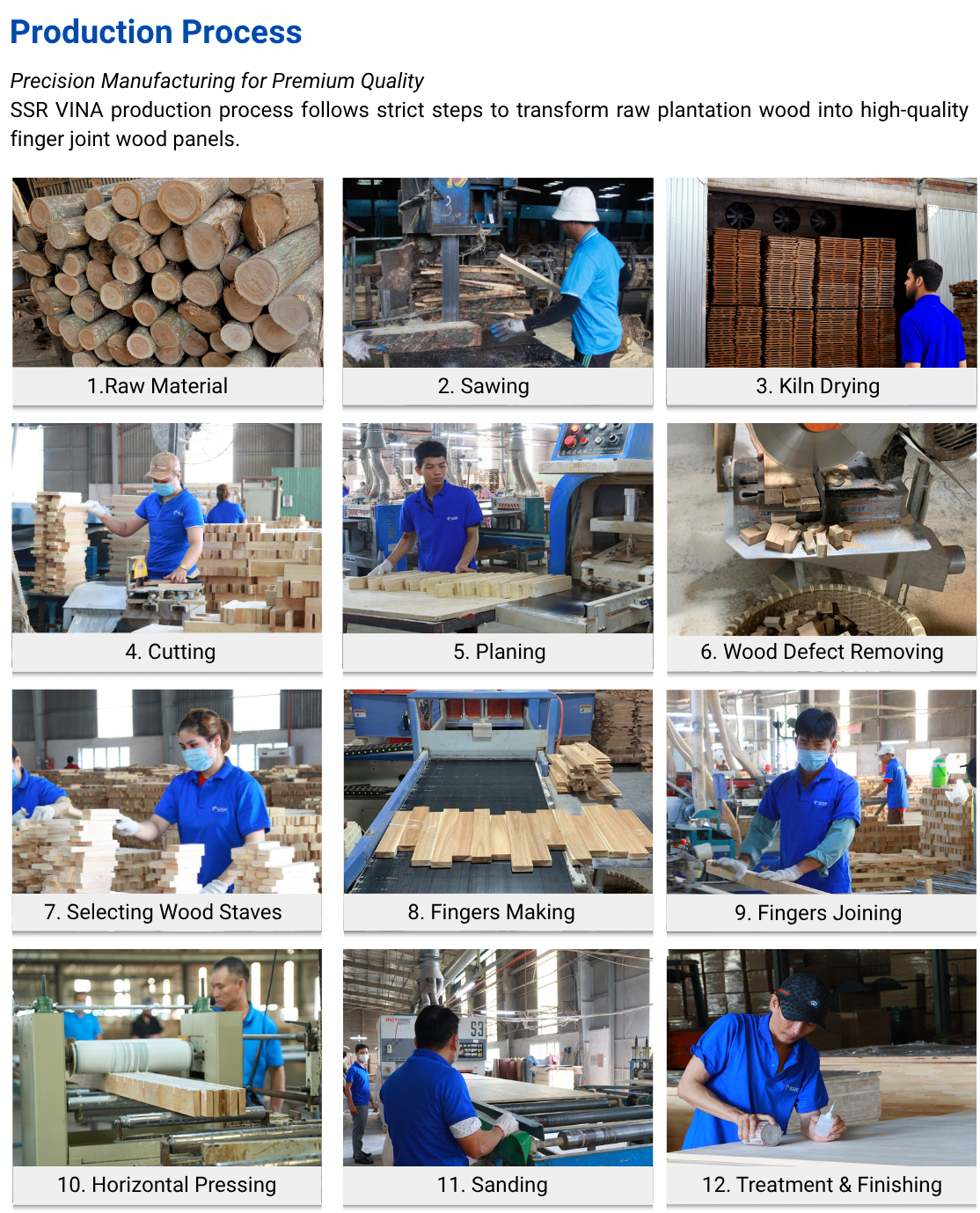
Acacia wood finger joint board is made from small pieces of plantation wood that are bonded “finger joint” together using adhesives and subjected to high pressure and heat. Through an advanced manufacturing process, finger joint board wood is a material that surpasses the limitations of solid wood, offering an optimized solution for construction and interior needs.
Standard dimensions or customized according to customer's requirement
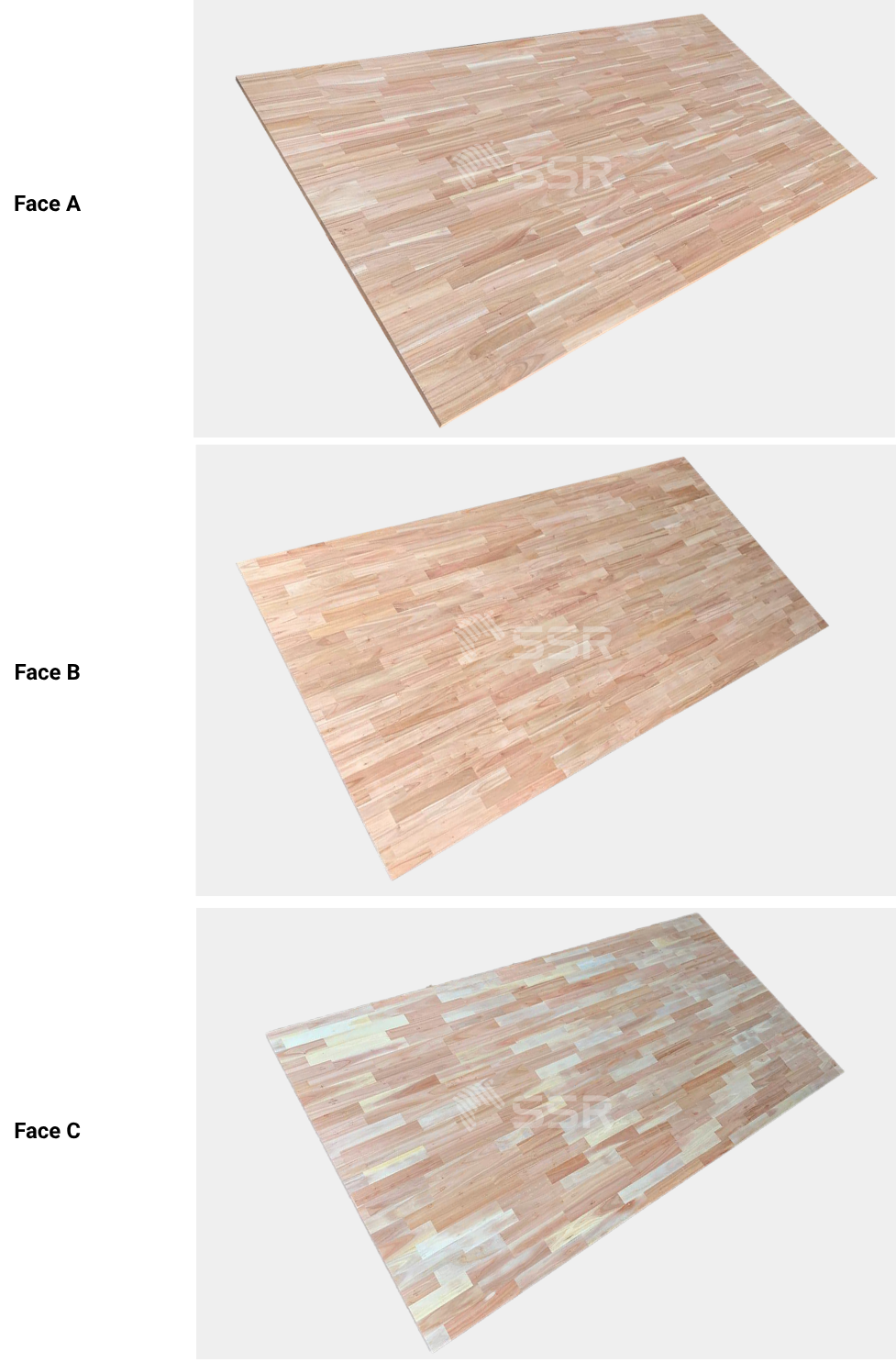
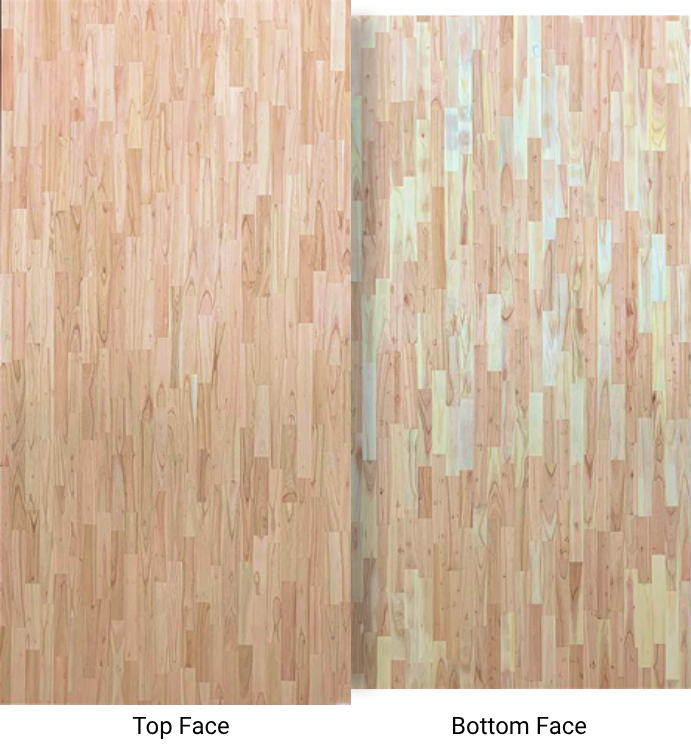
+ Top Face: Sapwood limited to a maximum of 10% per stave, no dead knots or sound knots, no red or black wood grain.
+ Bottom Face: Sapwood limited to a maximum of 30% per stave, dead knots limited to a diameter under 5mm; may include darkened or red areas, small black knots, tiny white spots, red or black wood grain.
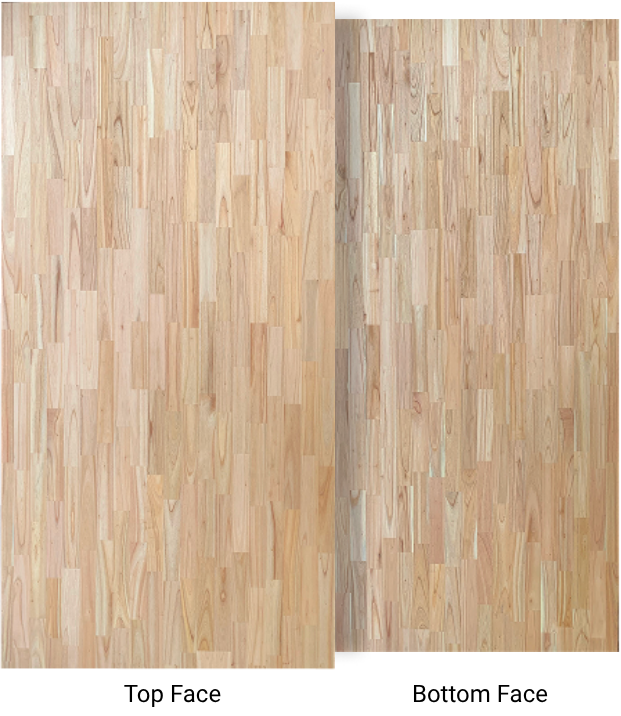
+ Top Face: Sapwood limited to a maximum of 30% per stave, no dead knots, sound knots limited diameter under 20mm; may include darkened or red areas, small black knots, tiny white spots, red or black wood grain.
+ Bottom Face: May include sapwood, dead knots, sound knot, darkened or red areas, small black knots, tiny white spots, red or black wood grain.