Karam Tools
Karam Tools
Karam Tools
The global tapping equipment market is undergoing a radical transformation driven by the integration of Industry 4.0. As manufacturers in the automotive, aerospace, and electronics sectors demand tighter tolerances and faster cycle times, the role of a "supplier" has shifted to that of a "strategic solution partner." Tapping equipment is no longer just about creating internal threads; it’s about data-driven precision, material versatility, and energy efficiency.
From a macro perspective, the transition toward lightweight materials like carbon fiber reinforced polymers (CFRP) and high-strength alloys has forced suppliers to innovate with advanced coatings (TiAlN, DLC) and adaptive control algorithms. Top-tier suppliers are now providing holistic ecosystems that include predictive maintenance and real-time monitoring to eliminate downtime in high-volume production lines.
The ability to develop custom tool geometries for exotic materials like Inconel and Titanium is a hallmark of a top supplier.
Maintaining high-volume output while ensuring ISO 9001 compliance across every batch of drill bits and tapping heads.
Effective suppliers offer on-site technical support, localized inventory, and rapid response times for spare parts.
Full adherence to CE, REACH, and RoHS standards, ensuring safety and environmental sustainability in all operations.
Suppliers providing "Information Gain" through whitepapers, case studies, and technical optimization consultations.
Resilient sourcing strategies that protect buyers from raw material price volatility (especially for Tungsten and HSS).
Zhejiang Karam Tools Co., Ltd. stands as a titan in the hardware and tool industry, embodying the principles of E-E-A-T through decades of manufacturing experience. Specializing in the research, development, and global distribution of high-quality tools, the company has built a solid reputation for reliable products and stable performance.
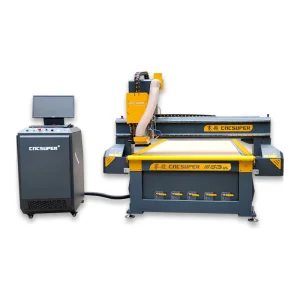
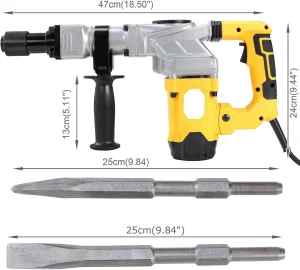
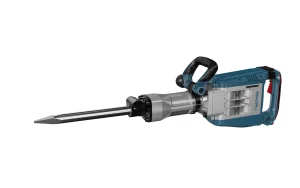
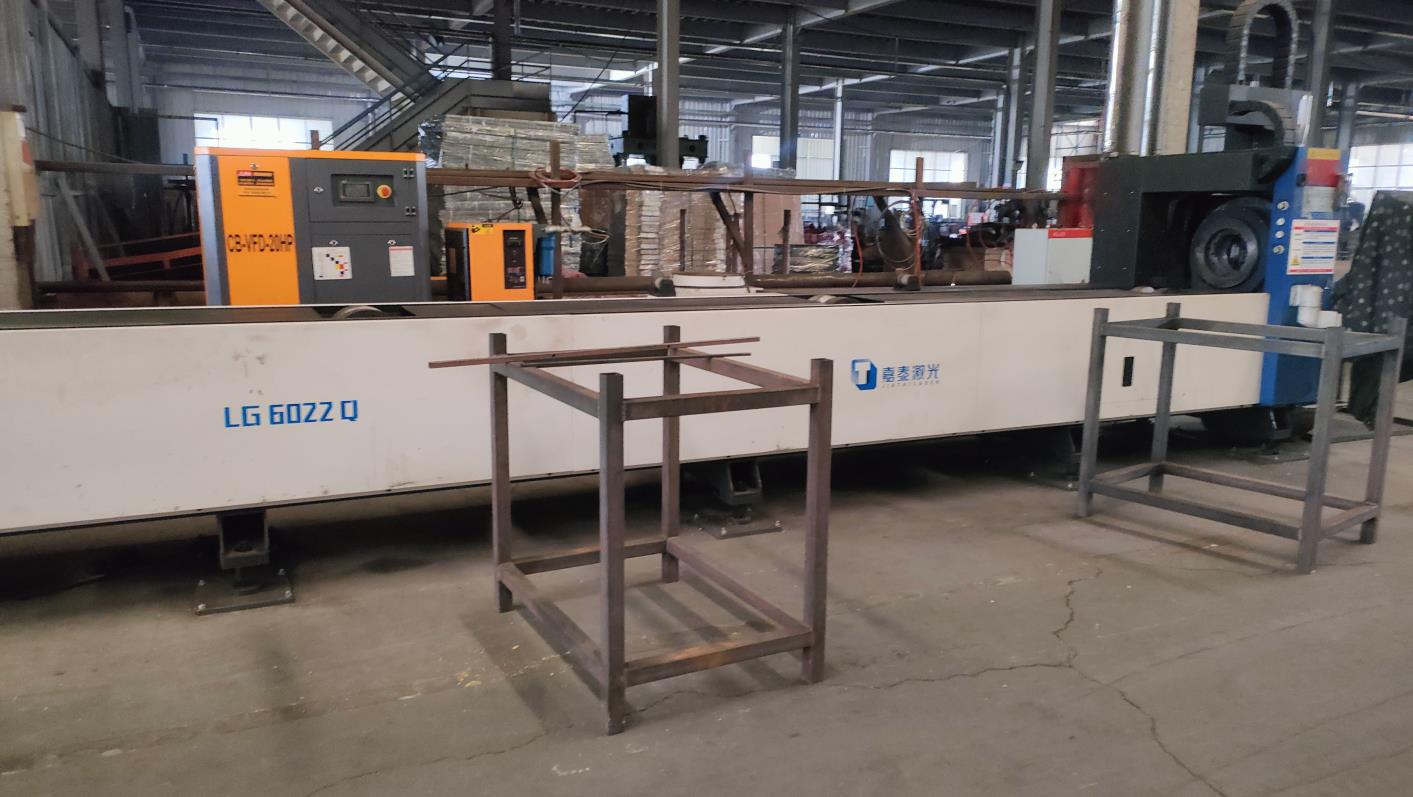
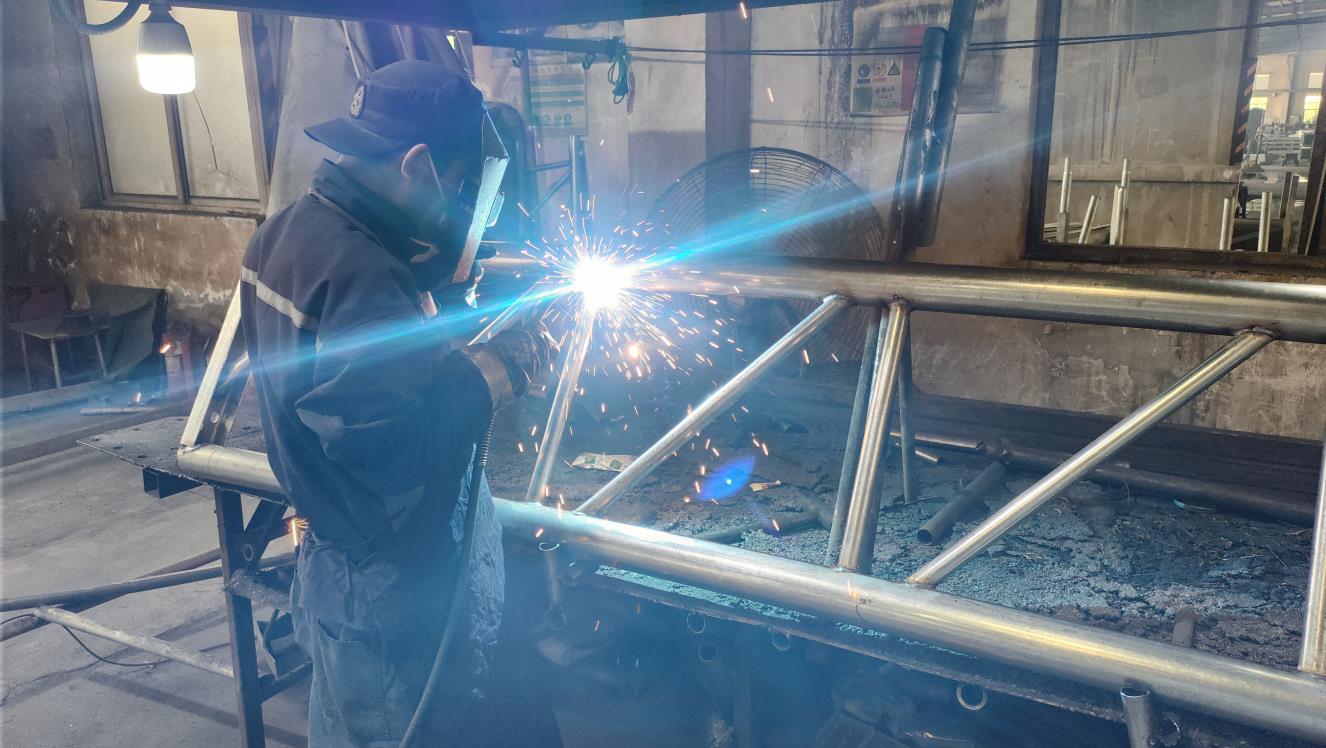
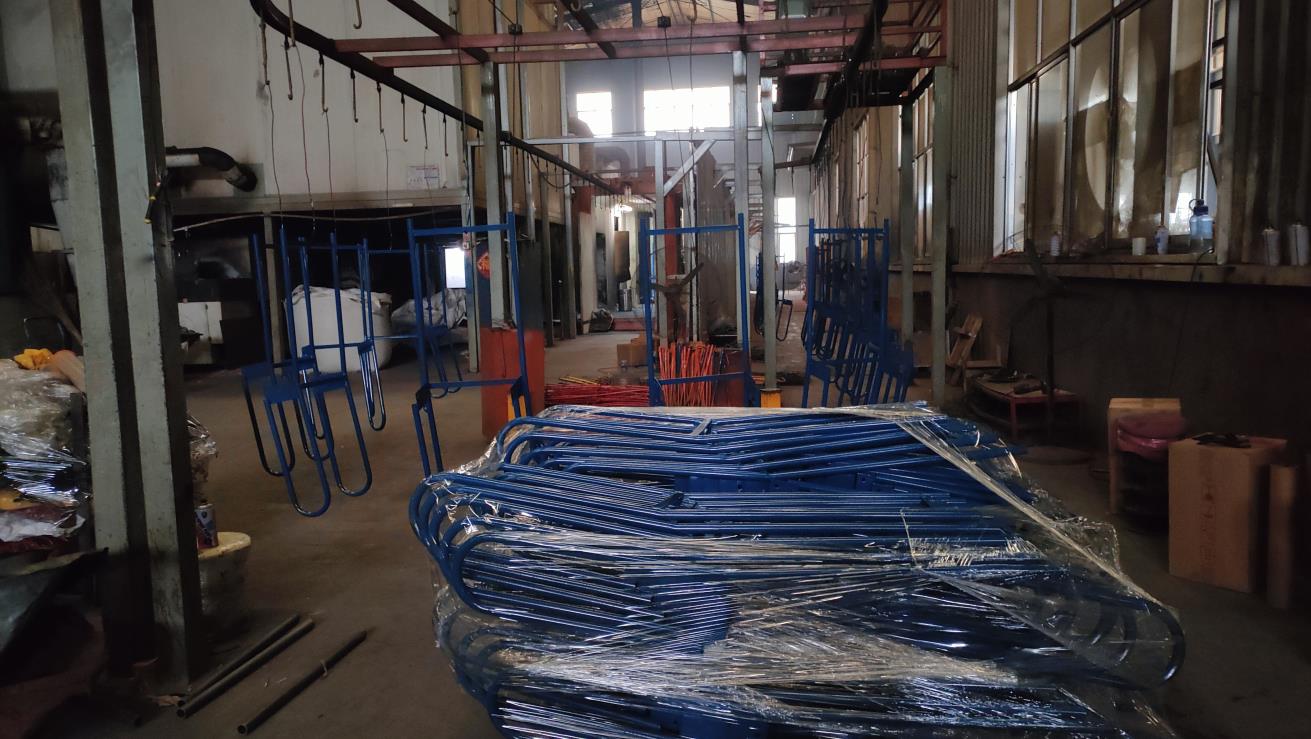
Guided by "Quality First and Innovation-Driven Development," Karam Tools has integrated advanced machinery with semi-automated production systems. This ensures that every tool—from heavy-duty jackhammers to high-precision CNC woodworking machines—meets the rigorous demands of modern industry.
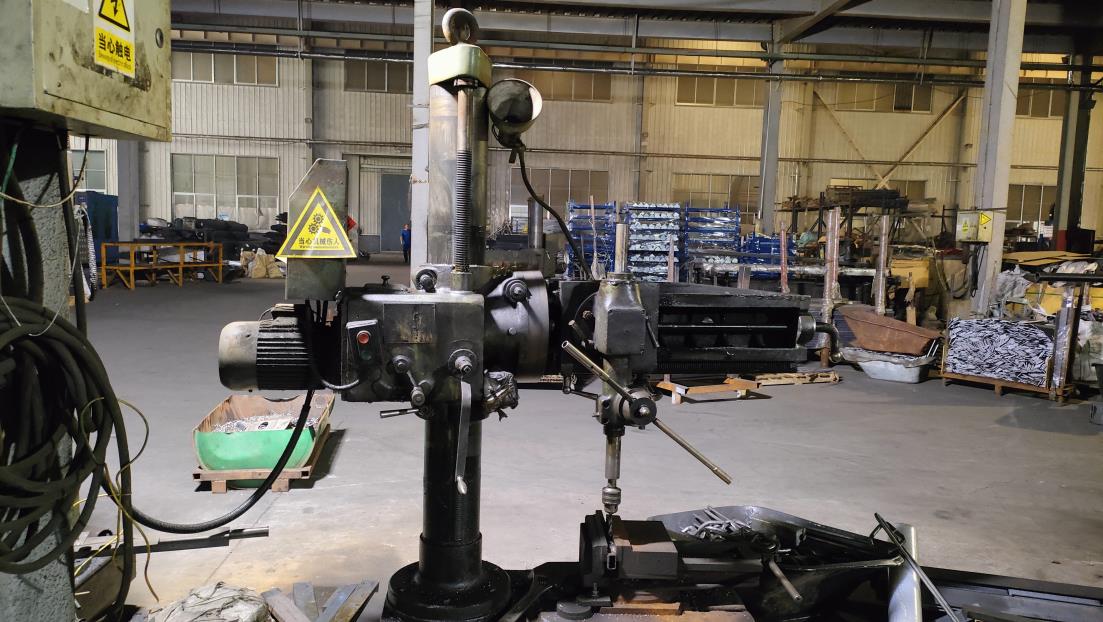
The future of tapping equipment is intrinsically linked to Predictive Analytics and Sustainability. Suppliers are moving beyond the hardware to provide "Smart Tooling" equipped with RFID tags and sensors that track tool wear in real-time. This allows for tool changes before failure, reducing scrap and improving resource efficiency.
Key technical milestones for the next decade include:
High-speed tapping for aluminum battery housings and motor mounts, requiring extreme precision for leak-proof threading.
Threading high-temp alloys for jet engines, where tool reliability is paramount to prevent damage to expensive workpieces.
Large-scale tapping for wind turbine components and solar mounting systems, focusing on durability and weather resistance.
Buyers should prioritize the supplier's material expertise (HSS vs. Carbide), their quality control infrastructure (ISO certifications), and their ability to provide technical support for specific applications.
Industry 4.0 enables real-time monitoring of torque and heat, allowing for predictive maintenance and automated adjustments to ensure zero-defect production.
Yes, specialized tools like the DIN338 HSS Drill Bits for Stainless Steel are designed with specific geometries and coatings to manage the heat and work-hardening properties of stainless alloys.
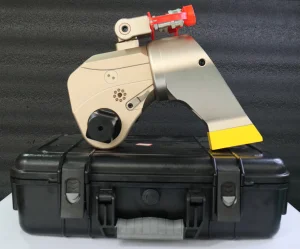
Hydraulic torque wrenches, such as the Hibosion 70MPa models, provide consistent, high-torque application necessary for large-scale structural assembly and heavy machinery maintenance.