Karam Tools Karam Tools

Top 5 Tips to Extend the Lifespan of Wet Diamond Blades?

Time:2026-08-21 Author:Liam
0%

Wet diamond blades are essential tools for construction and renovation projects. Proper maintenance can significantly impact their lifespan. Knowing how to extend the lifespan of wet diamond blades is vital for professionals and DIY enthusiasts alike.

Routine care is crucial. Cleaning the blades after each use prevents debris buildup. Understanding the right cutting techniques also plays a role. Applying too much pressure can lead to premature wear. Additionally, using water effectively helps reduce friction and heat during operation.

Investing in quality blades is another key factor. Not all blades are created equal; some are designed for specific materials. Evaluating which blade suits your task can enhance performance. Lastly, always follow manufacturer guidelines. This ensures safe usage and maximizes the blade's longevity. By implementing these practices, you’ll see improved results and extended blade life.
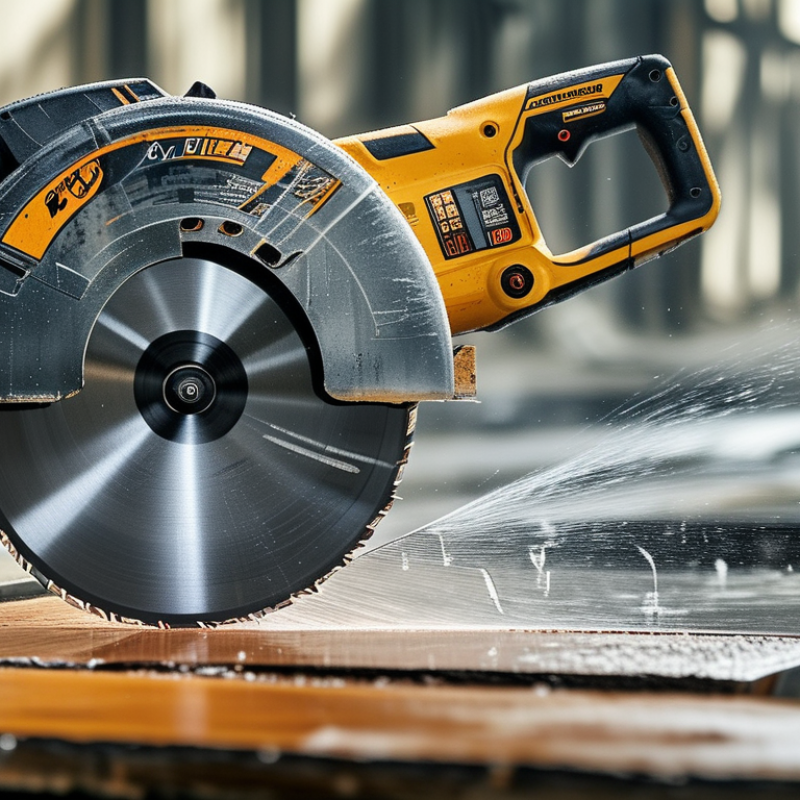
Top 5 Tips to Extend the Lifespan of Wet Diamond Blades?

Understanding Wet Diamond Blades and Their Lifespan

Wet diamond blades are designed for cutting hard materials like concrete, stone, and ceramics. Their lifespan is determined by various factors, including usage frequency and cutting conditions. Studies suggest that properly maintained blades can last 50% longer than neglected ones. Keeping an eye on wear patterns can help identify when to replace a blade before it fails.

Understanding the structure of these blades is crucial. They consist of diamond segments bonded to a metal core. The diamonds efficiently cut through materials, while the water helps cool the blade and reduces dust. Reports from the diamond tool industry indicate that cooling can extend the blade's life by up to 30%. Proper lubrication prevents overheating and reduces wear.

Even with the best practices, some users may overlook key maintenance steps. Regularly checking for damage and ensuring the blade is suitable for the material can prevent premature wear. Inconsistent use can lead to uneven wear. Failing to assess these factors can result in decreased performance and shorter lifespan. Learning from these experiences can drive better decisions in future projects.

Optimal Cutting Techniques for Wet Diamond Blades

When using wet diamond blades, optimal cutting techniques can significantly enhance their lifespan. Ensure that the blade is always adequately cooled during operation. This prevents overheating and reduces wear. Proper water flow is essential. It keeps the blade lubricated and helps remove debris that can cause damage.

Maintaining steady pressure while cutting is crucial. Too much force can lead to blade bending, while too little can cause blade glazing. Aim for a consistent speed to achieve a clean cut. It's vital to periodically check the blade for signs of wear. Look for chips or uneven edges that may indicate the need for replacement.

Lastly, consider the type of material being cut. Different materials absorb water differently and may affect the blade's performance. If the blade is not appropriate for the task, it may wear out faster. Experimenting with various techniques can help in finding the best method for specific materials. Adjustments might be necessary for improved outcomes.

Regular Maintenance Practices to Enhance Blade Longevity

Regular maintenance is essential for extending the lifespan of wet diamond blades. Research indicates that routine inspections can prevent unexpected failures. A study by the National Tooling and Machining Association reveals that 30% of blade wear is due to improper use or neglect. Operators should check the blades for visible damage, such as cracks and chips, before each use. Early detection minimizes downtime and maximizes efficiency.

Proper cleaning after use is also crucial. A study published in the Journal of Manufacturing Processes shows that removing debris can enhance blade performance by up to 20%. Use water and a soft brush to clear away slurry that can accumulate on the blade. This simple task prevents corrosion and maintains cutting efficiency.

Maintaining optimal operating conditions is vital for longevity. Extreme heat can degrade the bond of the diamond particles, leading to rapid wear. Keeping the blade cool during operation is important. Feel the blade frequently. If it’s excessively hot, pause to cool it down. Additionally, monitor the feed rate and pressure. Overloading the blade can result in premature wear. Balancing these factors can lead to a longer, more productive lifespan for wet diamond blades.

Storage Solutions to Prevent Damage to Wet Diamond Blades

Wet diamond blades are essential tools in construction and renovation projects. Proper storage is crucial for maintaining their lifespan. Job site conditions can be tough, leading to premature wear. According to industry reports, improper storage can decrease the lifespan of blades by as much as 50%.

Store blades in a dry and clean environment. Avoid exposing them to moisture or humidity. Use a sturdy box or a dedicated storage rack to prevent contact with other tools. A cluttered workspace can lead to accidental damage, rendering your blades less effective.

Minimize contact with hard surfaces. This simple practice helps avoid nicks and chips. As a reminder, remember to periodically inspect blades for signs of wear. Replacing blades at the right time can save costs and enhance performance. Lastly, maintain a consistent inventory. Knowing when to replace blades keeps your projects on schedule. Proper storage and care are not just about extending blade life—they are about ensuring safety and efficiency on the job.

Choosing the Right Materials for Extended Blade Performance

Choosing the right materials for wet diamond blades is crucial for their longevity and performance. Selecting high-quality diamonds and bond materials directly impacts how well the blade works. Diamonds must be carefully graded for size and hardness to ensure efficient cutting and minimal wear. The segments should have the right bond type to match the materials being cut, whether it’s concrete or tile. This match optimizes blade performance and extends its life.


In practice, many users overlook the importance of material compatibility. They often choose blades based on price rather than quality. For instance, a softer bond may work well for softer materials but can wear out quickly when used on harder surfaces. It’s necessary to analyze the specific cutting tasks before making a purchase decision. Often, seeking advice from experts or industry professionals can guide buyers towards better choices. Awareness of the cutting environment and the material being processed will ensure the blade remains effective for a longer period.

FAQS

: How often should I inspect my wet diamond blades?

: Inspect your blades before each use. This helps detect damage early.

What signs of damage should I look for?

Check for cracks and chips on the blades. Visible damage can indicate wear.

How can cleaning affect blade performance?

Cleaning can enhance blade performance by up to 20%. Remove debris after each use.

What is the best way to clean my blades?

Use water and a soft brush to remove slurry and prevent corrosion.

How can operating conditions impact blade longevity?

Extreme heat can degrade the bond of diamond particles, causing rapid wear.

How can I tell if my blade is too hot?

Feel the blade frequently. If it feels excessively hot, pause to cool it down.

What factors should I monitor during operation?

Keep an eye on the feed rate and pressure. Overloading can lead to premature wear.

Why is material compatibility important for blades?

The right materials enhance longevity and performance. Mismatched materials can lead to quick wear.

How should I choose a blade for my cutting tasks?

Analyze your specific tasks. Seek expert advice to ensure the best match for your needs.

What common mistakes do users make when choosing blades?

Many prioritize price over quality, which can lead to ineffective choices and premature wear.

Conclusion

To effectively understand how to extend the lifespan of wet diamond blades, it is essential to grasp their functionality and expected longevity. Proper cutting techniques, such as maintaining appropriate feed rates and avoiding excessive pressure, significantly contribute to blade performance. Additionally, regular maintenance practices, including cleaning and inspecting blades for wear, can prevent premature degradation.

Moreover, ensuring proper storage solutions away from moisture and impact can protect blades from damage when not in use. Lastly, selecting the right materials for cutting can dramatically influence the durability of the blades. By implementing these strategies, users can maximize the efficiency and lifespan of their wet diamond blades, ensuring optimal performance in their cutting tasks.

Liam

Liam

Liam is a dedicated marketing professional with a profound expertise in the industry, where he excels at highlighting the unique advantages of our core products. With a keen understanding of market trends and consumer needs, Liam frequently updates our company’s professional blog, providing......