Karam Tools
Selecting the correct amperage for stick welding is crucial for achieving quality welds. Proper amperage not only affects the strength of the weld but also determines the overall appearance. Many novice welders struggle with this choice, often leading to weld defects. Understanding how to select the correct amperage for stick welding starts with knowing the material thickness and type.
Different materials and thicknesses require different settings. For instance, thicker metals need higher amperage to penetrate properly. Conversely, thin materials may warp under excessive heat. Welders must evaluate their projects carefully to avoid common mistakes.
Experimentation is an essential part of the learning process. Sometimes, welders must adjust their amperage based on personal technique and machine calibration. Continuous practice and attentive observation help refine this skill. In the end, mastering how to select the correct amperage for stick welding enhances both effectiveness and confidence in the welding process.
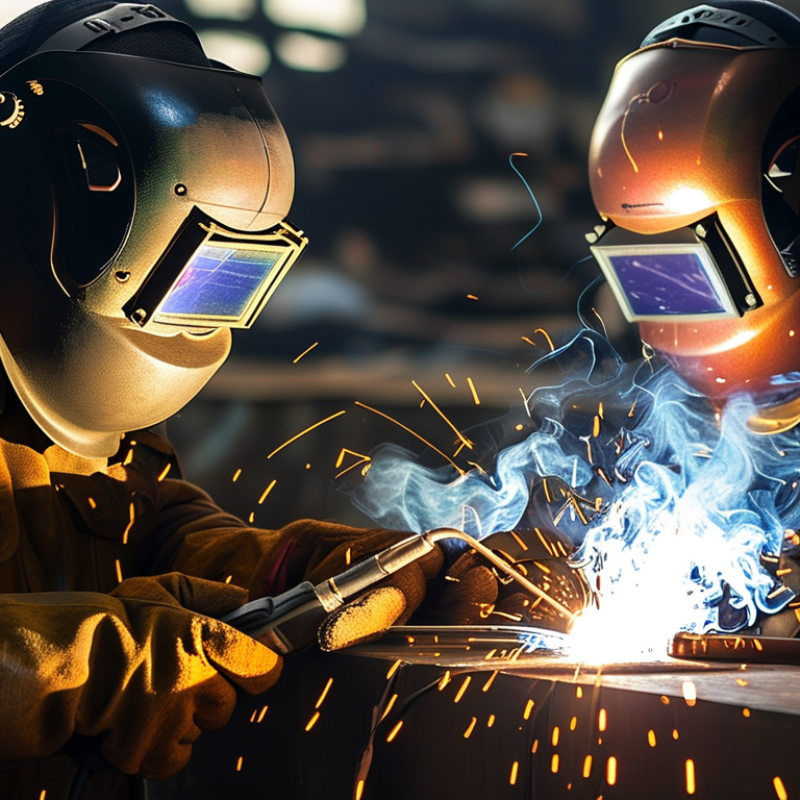
Understanding the basics of stick welding amperage is crucial for any welder. The amperage directly influences the bead size and penetration depth.
Generally, a wider bead requires more amperage. However, too much can lead to burn-through and distortion. It's a balance that often comes with experience.
Pay attention to the material thickness. Thicker materials need higher amperage for adequate penetration. For example, welding 1/4-inch steel might require around 150 amps. Yet, aspiring welders often overlook this detail. They may use too low an amperage, resulting in weak joints. Properly understanding material properties can transform your welding quality.
Practice is key in finding the right settings. Each welder develops personal preferences and techniques over time. A new welder might struggle with inconsistent results. This can stem from varying torch angles or travel speeds. Reflect on these factors; they play a vital role in achieving optimal results. Adjustments may lead to surprising improvements in your projects.
Selecting the correct amperage in stick welding is crucial for achieving optimal results. Several factors influence this choice. The type of electrode used plays a significant role. For example, E7018 electrodes typically require a higher amperage compared to E6013. The American Welding Society (AWS) suggests a general rule of thumb: 1 amp per 0.001 inches of electrode diameter.
Base metal thickness also demands careful attention. Thicker materials require more heat. American National Standards Institute (ANSI) data shows that for steel thicker than 1 inch, an amperage of around 200-250 is often recommended. This ensures proper penetration and fusion. On the other hand, too high of an amperage can lead to burn-through and slag inclusions.
Welding position can change amperage needs as well. Horizontal and flat positions usually tolerate higher settings. But overhead welding often requires adjustments to prevent excess puddle weight. Local environmental factors such as wind or drafts can cool the weld area, leading to the need for increased amperage. Thus, maintenance of a consistent heat input is essential but can be challenging. These factors highlight the importance of understanding the nuances of amperage selection in stick welding.
When selecting the correct amperage for stick welding, understanding material thickness is essential. Thicker materials require higher amperage to achieve sufficient penetration. Typically, for steel, a rough guideline is 1 amp for each 0.001 inches of thickness. This means a 1/4 inch plate needs about 125 amps. However, this can vary based on other factors, such as the type of electrode used.
Welding on thinner materials presents unique challenges. For instance, materials less than 1/8 inch thick can warp or burn through easily. In this case, reducing the amperage is crucial. It may need to be around 60 to 70 amps for optimal results. Always test on scrap pieces first to see how the amperage affects the weld pool. Small adjustments can make a big difference.
Welding can be a trial-and-error process. Sometimes, the predicted amperage doesn’t yield perfect results. Factors like joint design, fit-up, and environmental conditions can affect performance. Reflection on these aspects after each session can enhance future work. Adjustments based on real-time observations help in honing the skill effectively. Every welder develops an intuition over time about amperage needs, making experience a valuable teacher.
When selecting an electrode for stick welding, amperage compatibility is critical. The right electrode directly affects weld quality and stability. According to the American Welding Society, improper amperage can lead to issues such as undercutting or excessive spatter. This showcases how essential it is to select the correct range for your welding process.
The type of electrode significantly influences the required amperage. For instance, E6011 electrodes usually perform well at lower settings, around 60-150 amps. However, for E7018 electrodes, higher amperage in the range of 70-180 amps is often advisable. This variation highlights the importance of understanding specific electrode characteristics. Not every welder realizes that using a mismatched electrode can diminish performance quality and increase the chances of defects.
Welders must also consider factors like base metal thickness and joint configuration. A thicker base metal may require higher amperage for effective penetration. Some welders mistakenly assume that more amps mean better welds, which can result in burn-through issues. Proper experimentation and adjustment can help achieve the ideal balance while fostering better results. This process may not be intuitive for all, but it is crucial for improving welding skills and outcomes over time.
When stick welding, adjusting amperage is crucial for achieving optimal results. A well-calibrated amperage ensures strong welds and minimizes defects. According to the American Welding Society, many amateur welders struggle with finding the right amperage settings. This often leads to issues like burn-through or poor arc stability.
During the welding process, fine-tuning amperage can significantly impact the quality of the weld. If your metal starts to appear too molten or if spatter increases, it may be time to lower the amperage. Conversely, if you notice a weak arc, consider increasing the setting. Many experts recommend starting with a rule of thumb: about 1 amp per thousandth of an inch of material thickness. However, this is only a guideline. Real-world conditions often require adjustment.
The position and movement of the electrode can also affect the amperage needed. Maintaining a steady hand may allow for lower settings and reduce heat input. Yet, welders should be cautious; over-compensation can lead to incomplete fusion or lack of penetration. Welding is both an art and a science, requiring ongoing reflection and adjustment throughout the process for best results.
: Amperage influences bead size and penetration depth in welding. Higher amperage creates wider beads but risks burn-through.
Thicker materials typically require higher amperage. For example, 1/4-inch steel may need around 150 amps.
Yes, using too low amperage may result in weak joints. Understanding material thickness is crucial for better quality.
A commonly used rule is 1 amp per 0.001 inches of electrode diameter. It helps in selecting the right settings.
Different positions require different amperage. Overhead welding often needs adjustments to manage puddle weight.
Practice helps find the right settings and develop personal techniques. Inconsistent results can stem from varied approaches.
Thinner materials may warp or burn through easily, necessitating reduced amperage of about 60 to 70 amps.
Wind or drafts can cool the weld area, possibly requiring increased amperage to maintain consistent heat.
Reflect on joint design and performance. Small adjustments based on real-time observations enhance future welding skills.
No, welding can be a trial-and-error process. Factors can lead to unpredictable results, requiring continuous learning.
When it comes to how to select the correct amperage for stick welding, understanding the fundamentals of amperage is crucial. The amperage needed for effective welding is influenced by various factors, including material type and thickness. Assessing these characteristics will help you determine the appropriate amperage for your welding project.
Another vital aspect is the choice of electrode, which should match the selected amperage to ensure compatibility. Additionally, during the welding process, fine-tuning the amperage can enhance the quality of the weld. By following these guidelines, welders can achieve optimal results and improve their skills in stick welding.
