Karam Tools
Proper storage of hand tools is crucial in preventing rust. According to James Porter, a seasoned tool expert, “The right storage method can extend the life of your tools significantly.” This highlights how essential it is to focus on effective strategies for keeping tools in optimal condition.
When asking how to store hand tools to prevent rust, consider various factors. Humidity and temperature play significant roles. Tools tend to rust in moist environments. Using a dehumidifier or storing tools in a dry place can help. In addition, avoiding direct ground contact can minimize exposure to moisture.
Regular maintenance is also key. Even stored tools require attention. A light coat of oil can protect surfaces. Simple steps can prevent bigger issues. However, many people overlook these preventative measures. It's easy to forget about tools until it's too late. Focusing on storage solutions is vital for longevity.
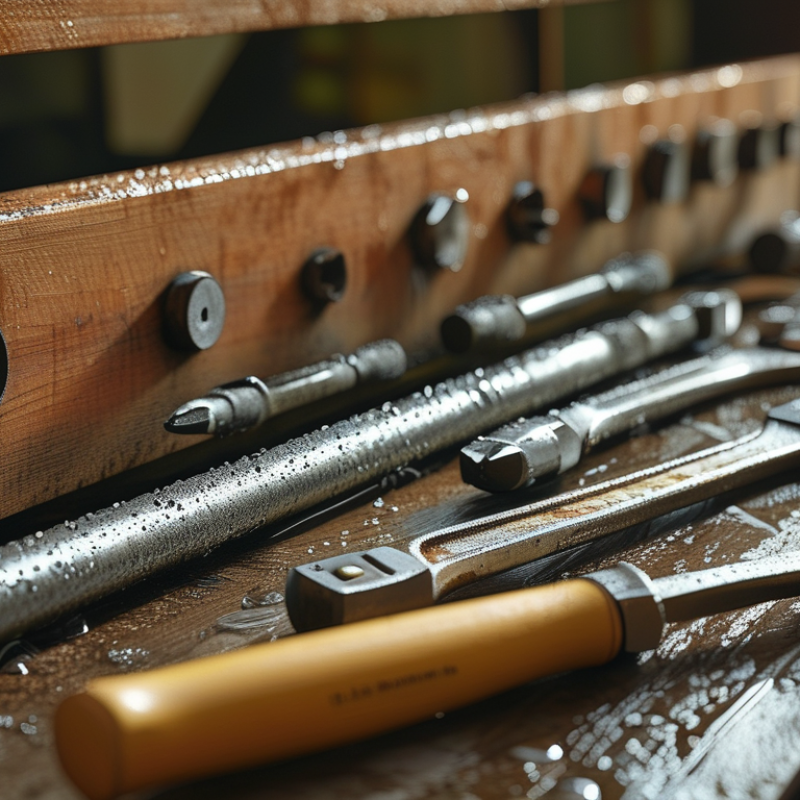
Choosing the right storage environment for hand tools is crucial to prevent rust. Humidity is a significant factor that affects tool longevity. Reports indicate that tools stored in environments with over 50% humidity are at a higher risk of rust formation. Ideal conditions involve maintaining humidity levels below 40%. It’s essential to regularly monitor the moisture levels. A simple hygrometer can help keep track.
Temperature is another critical element. Extreme fluctuations in temperature can cause condensation on tools. Ideally, tools should be stored in a dry, temperature-controlled area. Wooden cabinets or metal toolboxes with insulating properties can provide suitable protection. Avoid storing tools near windows or in unheated garages.
Tips: Consider using silica gel packets or desiccants in your storage area. They can absorb excess moisture effectively. Regularly clean your tools with oil to create a barrier against moisture. Also, inspect your storage frequently; early detection of rust is vital. Combatting rust isn’t just about perfect conditions; it involves consistent effort and observation.
Cleaning hand tools before storage is crucial. Dust, grease, and moisture can lead to rust. Start by wiping each tool with a clean, dry cloth. This removes surface dirt and grime. Pay attention to crevices and joints where debris gathers.
For deeper cleaning, a solution of warm water and mild soap works well. Use a sponge or soft brush to scrub stubborn spots. Rinse with clear water and dry thoroughly. Ensure no moisture is left, especially in hidden areas.
Consider applying a protective layer. Light machine oil can prevent rust formation. Use a cloth to apply a thin coating on metal surfaces.
Regular cleaning routines help maintain your tools. Often, we overlook small imperfections. Ignoring these may lead to bigger issues later. Checking tools regularly can prevent costly replacements.
To effectively prevent rust on hand tools, utilizing protective coatings is crucial. These coatings create a barrier, shielding metal surfaces from moisture and oxygen. They come in various forms, including paints, oils, and waxes. Each type offers unique benefits and suitability depending on the tools and their intended use.
Applying a thin layer of oil can be an excellent start. This simple method keeps rust at bay while being easy to reapply. Just a few drops of oil create a protective film over the surface. Remember, however, to check and refresh it regularly, especially after use in damp conditions.
For more extensive protection, consider using a paint designed for metal surfaces. This option not only prevents rust but can also provide a tidy appearance. Just be sure to sand the tools lightly before application. This helps the paint adhere better, ensuring longer-lasting protection. Sometimes, it’s worth revisiting your method to see if your current approach is truly effective. After all, prevention is better than dealing with tools that have already started to rust.
| Tool Type | Recommended Storage Method | Protective Coating Type | Additional Tips |
|---|---|---|---|
| Wrenches | Store in a toolbox or drawer lined with a soft cloth. | Light oil coating | Wipe down with oil before storing to reduce moisture. |
| Screwdrivers | Hang on a magnetic strip or store in a drawer. | Rust preventive spray | Ensure they are clean before applying spray. |
| Pliers | Store in a protective case or toolbox. | Grease or wax coating | Regularly inspect for rust and reapply coating as needed. |
| Hammers | Store on hooks or in a toolbox. | Oil-based coating | Keep dry and avoid damp storage locations. |
| Files | Keep in a protective case or drawer. | Rust inhibitor cloth | Wrap files individually with the cloth if storing long-term. |
Humidity control is crucial for preserving hand tools. Excess moisture in storage areas can lead to rust, which damages tools over time. Consider using a dehumidifier in your workshop. This device helps maintain optimal humidity levels, keeping tools dry and rust-free.
Another effective method is to store tools in airtight containers. These can be sealed with silica gel packets that absorb moisture. Adding a thin layer of oil on metal surfaces can also create a protective barrier against rust. Regularly inspect your tools for signs of moisture or rust. It’s important to address any issues immediately to prevent further damage.
Creating a storage routine can improve tool longevity. You might need to clean and oil your tools more often than you think. Reflect on your storage habits. Are they effective? A little attention can go a long way in maintaining your tools.
Regular maintenance and inspection of stored tools is essential to prevent rust. Moisture and dirt can quickly lead to corrosion. Tools stored in damp places are at higher risk. Checking tools regularly helps identify potential issues early. It’s a proactive approach that saves you from costly repairs later.
Keep your tools dry and clean. Wipe them down after each use. Look for any signs of rust. If you see rust forming, address it immediately. Use abrasive pads to remove rust spots. Remember, even a small speck of rust can grow if ignored.
Tip: Store tools with silica gel packets. They absorb moisture and help keep your tools dry.
Tip: Consider oiling metal parts. A thin layer of oil can create a barrier against moisture.
Finally, remember to check the storage area too. Dust and humidity can be detrimental. Sometimes, simply improving ventilation can make a significant difference. Frequent inspections and proper care yield long-lasting tools. Treat them well, and they will serve you for years.
: Protective coatings create a barrier against moisture and oxygen, preventing rust effectively.
Common coatings include paints, oils, and waxes. Each serves unique purposes based on tool use.
A few drops of oil can protect tools. Check and refresh regularly, especially after damp use.
Lightly sand the tools before applying paint. This helps improve paint adhesion for better protection.
Consider using a dehumidifier. It helps keep tools dry and protects against rust damage.
Yes, airtight containers with silica gel packets absorb moisture and help keep tools rust-free.
Regular inspections help identify rust early. Check for moisture, dirt, or signs of corrosion often.
Wipe tools down after each use. This prevents moisture buildup and reduces corrosion risks.
Yes, even small rust spots can grow if ignored. Address them promptly to maintain tool integrity.
Enhance airflow with vents or open windows. Good ventilation helps reduce humidity and dust.
To effectively address the question of how to store hand tools to prevent rust, it's crucial to focus on various key strategies. First, selecting the right storage environment is essential; tools should be kept in a dry, cool place to minimize the risk of moisture exposure. Proper cleaning techniques before storage, such as removing dirt and oil, help create a barrier against rust formation. Additionally, the application of protective coatings can serve as an extra layer of defense, shielding the metal surfaces from moisture and oxidation.
Moreover, implementing humidity control in storage areas is vital to maintain optimal conditions for tool preservation. Using dehumidifiers or silica gel packs can significantly reduce humidity levels. Lastly, regular maintenance and inspection of stored tools will ensure that any early signs of rust are addressed promptly, prolonging the life of the tools. By integrating these practices, anyone can effectively learn how to store hand tools to prevent rust and maintain their functionality for years to come.
