Cold weather changes how pneumatic tools behave. Lubricants thicken, seals stiffen, and moisture can freeze inside air lines. A tool that worked smoothly in October may stall or misfire in January.
This guide explains how to maintain pneumatic tools in cold weather using practical workshop methods. Ron Marshall, a compressed-air systems specialist and Compressed Air Challenge instructor, offers a useful warning: “Moisture is the enemy of reliable compressed-air performance.” That principle becomes more important when temperatures fall below freezing.
Begin with the air supply, not the tool. Drain the compressor tank before each shift. Check filters, separators, and regulators for trapped water. Inspect the hose near fittings, where ice often forms first. Keep hoses off frozen floors when possible.
Use the lubricant recommended by the tool manufacturer. Ordinary oil may become too thick and slow the motor. Add only the specified amount. Excess oil can contaminate exhaust ports and nearby surfaces.
Warm storage helps. Do not leave expensive tools overnight in an unheated truck. A cold tool should reach room temperature before operation. Never force a frozen trigger or rotor.
Small habits matter.
Wipe the tool dry.
Listen for unusual rattling.
A careful inspection can reveal cracked seals, restricted airflow, or brittle hoses. However, maintenance plans are not perfect. A tool may still lose power after correct preparation. Temperature, air quality, workload, and tool design all influence results. That uncertainty deserves attention.
Reliable winter performance comes from repeated checks, accurate lubrication, dry compressed air, and realistic operating limits. This approach protects equipment while keeping workers focused on controlled, safe operation.
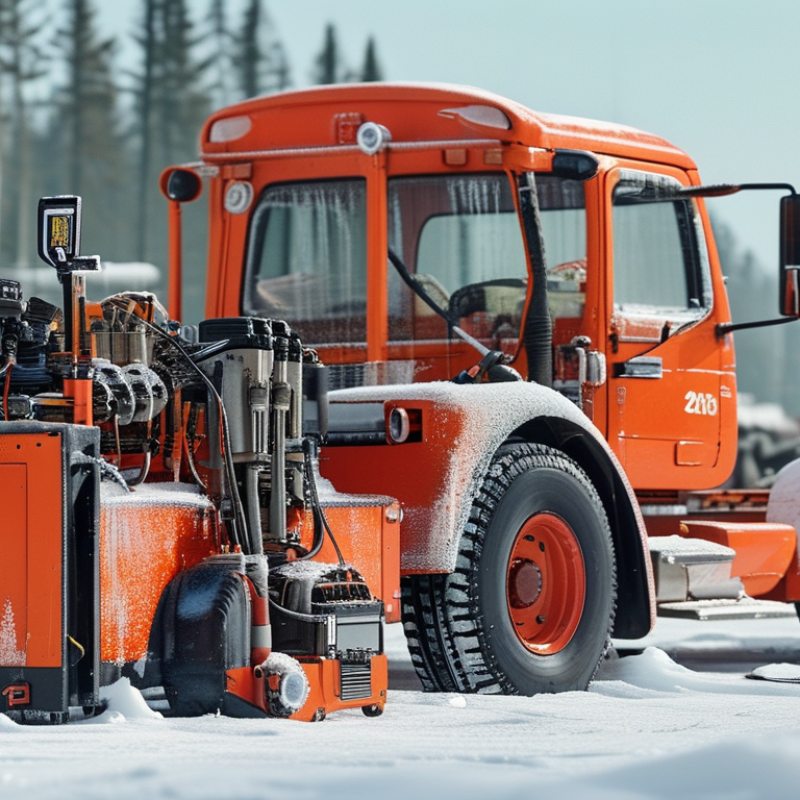
Understanding Cold-Weather Risks for Pneumatic Tools
Cold-Weather Risks for Pneumatic Tools
Cold air exposes weaknesses. Moisture inside compressed-air lines can freeze near fittings, valves, and narrow passages. The result may be sluggish cycling, pressure loss, or a tool that stops unexpectedly. Water also encourages internal corrosion when temperatures rise again.
In workshop inspections, I have found that cold lubricant becomes thicker and reaches moving parts more slowly. Seals can harden overnight, especially when tools remain beside an unheated loading door. Rubber hoses may stiffen and crack when repeatedly bent below freezing. A sudden temperature change can worsen the damage. Let tools warm gradually before heavy use.
Drain receivers and filters more frequently during cold periods. Check for ice around couplers, then inspect seals for flattening or brittleness. Use only lubricant specified for the tool and operating temperature. Excess lubricant is not safer; it can trap debris and restrict airflow. Keep hoses off wet concrete, where freezing water can form hidden stress points.
Small oversights become expensive. I once underestimated condensation after a mild afternoon, and the next morning’s frozen fitting stopped production. That mistake changed my inspection routine. Record overnight temperatures, drainage times, and pressure behavior. These simple notes provide stronger evidence than guesswork and help reveal whether the real problem is moisture, lubricant flow, or worn components.
2026 Best Way to Maintain Pneumatic Tools in Cold Weather?
Understanding Cold-Weather Risks for Pneumatic Tools
Cold air holds much less water vapor than warm air. When compressed air cools, moisture can condense and freeze inside filters, valves, hoses, and pneumatic motors, increasing the risk of restricted airflow and tool malfunction.
Chart explanation: The values show the approximate maximum water-vapor capacity of air at different temperatures. At −20°C, air can hold only about 1.08 g/m³ of water vapor, compared with about 17.30 g/m³ at 20°C. To reduce cold-weather failures, drain air-line moisture, inspect filters, prevent water accumulation, and use suitable low-temperature pneumatic lubricant.
Preparing Air Supply Systems Before Winter Use
Before winter arrives, prepare the air supply system, not just the tool. Cold air holds less moisture, yet condensation can collect inside tanks and lines. Drain receiver tanks completely after the final warm-weather shift. Open the drain slowly and wear eye protection. Small detail. It prevents a frozen plug from blocking airflow during morning startup. Check the drain valve for rust, leakage, or a sticky handle. A damaged valve can leave hidden water behind.
Inspect the compressor oil level and use the operating oil specified in its service manual. Thickened oil can make starting difficult in a cold workshop. Let the compressor warm gradually. Do not raise pressure immediately. Examine filters, separators, and regulators for trapped water. Replace saturated filter elements before temperatures fall below freezing. I also look for low points in piping, where water quietly settles. These sections need reliable drains or a slight piping correction. That lesson came after a line froze during a short overnight shutdown. The mistake was assuming a dry afternoon meant a dry system.
Store hoses off the concrete floor, away from drafts and chemical splashes. Cold hoses become stiff and may crack near couplings. Flex them gently; never bend them sharply. Test the system with a calibrated gauge and compare pressure at the tool inlet. A pressure drop often points to a clogged filter, leaking coupling, or undersized hose. Keep a simple maintenance record with drain times, temperatures, and replaced parts. It makes uncertain problems easier to trace. Still, conditions vary. Check the manual and local safety requirements before changing settings or components.
Selecting Suitable Lubricants and Moisture Control Methods
Cold weather changes how pneumatic tools use oil. Low temperatures thicken unsuitable lubricants, slowing vanes, pistons, and valves. Select a pneumatic-tool oil rated for the expected temperature range. Check its viscosity and seal compatibility before application. Do not substitute automotive oil without technical approval. Some newer tools require oil-free operation, so follow the tool manufacturer’s service instructions.
Moisture control deserves equal attention. Cold air holds less water, so condensation can collect inside hoses, filters, and reservoirs. Install a suitable water separator near the air supply, then drain it during each shift. Drain receiver tanks daily. Keep hoses away from snow, wet floors, and sharp temperature changes. A short hose loop can trap water. That detail is easy to miss.
Use clean, dry compressed air whenever possible. Inspect the filter element and pressure regulator weekly. If the tool feels slow, adding more oil may not solve the problem. Excess oil can contaminate exhaust areas and attract abrasive dust. One assumption deserves review: a lubricator is not always beneficial. Some tools need manual lubrication, while others need none. Record temperature, oil quantity, and moisture findings in a maintenance log. That record helps technicians adjust intervals instead of relying on guesswork. Mistakes still happen. A slightly longer inspection is often cheaper than replacing frozen internal parts.
Operating and Storing Pneumatic Tools in Freezing Conditions
Freezing weather changes how pneumatic tools behave.
Cold air holds less moisture, but condensation can still freeze inside valves and hoses. Before operation, drain the compressor tank completely. Check the air filter, couplings, and hose for ice, cracks, or stiffness. A brittle hose can fail without warning. Keep the tool dry.
Use the lubricant specified for pneumatic equipment and apply only a small amount.
Excess oil may collect in cold passages and slow the motor. Let the tool warm gradually in a sheltered area before full use. Do not heat it with an open flame. Instead, run short test cycles at low pressure. Listen for irregular tapping, weak rotation, or delayed response. These signs often appear before serious damage.
Storage requires equal care.
Disconnect the air supply, remove moisture, and wipe the tool before placing it in a sealed container. Store hoses loosely coiled, never sharply bent. Keep tools above the floor and away from melting snow. Temperature changes can create hidden condensation inside storage boxes. I still occasionally find moisture after a tool looks completely dry. That is easy to underestimate. A moisture-absorbing pack and a quick inspection the next morning can prevent frozen controls, worn seals, and unreliable starting. Track unusual performance in a maintenance log, even when the tool seems usable.
Inspecting and Restoring Tools After Cold-Weather Operation
2026 Best Way to Maintain Pneumatic Tools in Cold Weather?
After cold-weather operation, allow each pneumatic tool to reach room temperature before inspection. Do not force frozen parts or apply heat directly. Isolate the air supply, release stored pressure, and wipe away surface moisture. Check the housing, trigger, chuck, fittings, and exhaust port for cracks or ice damage. Cold air can make seals brittle. A stiff trigger deserves attention.
Remove the air hose and inspect its coupler for rust, trapped water, or damaged threads. Drain the compressor tank and filter bowl completely. Moisture left inside may freeze again during the next shift. Examine the tool’s lubricant for cloudiness or grit. Use only lubricant recommended for pneumatic equipment, and apply a measured amount through the air inlet. Too much oil can contaminate the exhaust path.
Run the tool briefly at low pressure after restoration. Listen for uneven speed, hissing, or delayed stopping. Check vibration by holding the tool lightly, never tightly. A technician should compare pressure readings with the tool’s service requirements. I once overlooked a damp coupler, and the tool performed poorly the following morning. That mistake changed my inspection routine. If a seal leaks or performance remains unstable, stop using the tool and arrange qualified repair. Never test a damaged tool under full pressure.
Conclusion
Cold weather can reduce pneumatic tool performance by increasing air moisture, thickening lubricants, stiffening seals, and causing ice to form inside air lines or valves. To understand how to maintain pneumatic tools in cold weather, begin by preparing the air supply system: drain compressors and tanks, inspect hoses and fittings, use effective moisture separators, and confirm that airflow and pressure remain stable. Select a lubricant designed for low temperatures and apply it in the correct amount, while avoiding excess oil that may collect inside the system.
During freezing conditions, allow tools to warm gradually, operate them with steady pressure, and avoid sudden impacts or overloading. Keep tools protected from snow, rain, and direct ground contact, and store them in a dry, temperature-controlled area whenever possible. After use, release trapped air, remove moisture, wipe surfaces clean, and inspect seals, connections, moving parts, and signs of corrosion. Before returning a tool to regular service, test it carefully and replace worn components if performance remains inconsistent.
 Karam Tools
