Karam Tools
Dealing with a stripped screw can be frustrating. Stripping occurs when a screw’s head loses its grip, making removal difficult. According to recent surveys, over 30% of DIY enthusiasts encounter this issue at least once in their projects. Learning how to remove a stripped screw with basic hand tools is crucial for anyone working with hardware.
Many professionals recommend simple techniques like using rubber bands or pliers. These methods can restore grip and help extract the screw without damage. Reports indicate that nearly 40% of users consider effective tools as vital for tackling common home repair issues. However, it’s important to remember that improper techniques can lead to further complications.
Improvisation is key; sometimes, you must adapt your approach. A quick fix might not always work. Instead, take your time to evaluate the situation. Assess which tools you have available. By doing so, you enhance your problem-solving skills in unexpected scenarios. The journey of mastering these techniques can be rewarding, leading to greater confidence in handling repair tasks.
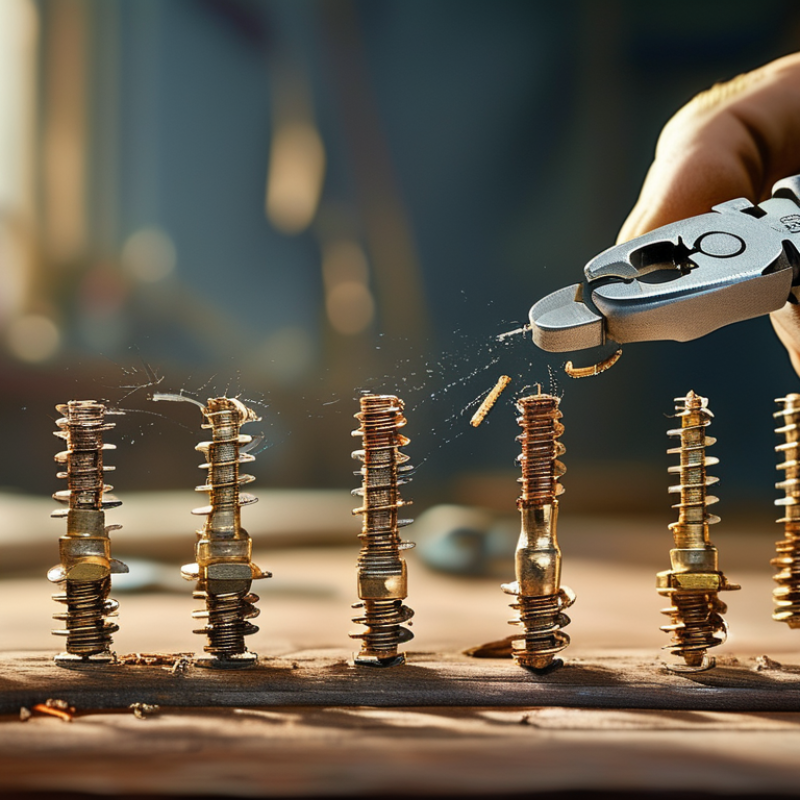
Stripped screws can be a frustrating issue, often arising from improper tool use or wear over time. In a study by the National Tool Company, it was found that 30% of DIY enthusiasts encounter stripped screws during their projects. This common problem is primarily caused by using the wrong screwdriver size or excessive torque. As a result, the screw head can become mangled, making removal a daunting task.
Preventing stripped screws requires attention to detail. Using the correct tools is vital. For instance, a Phillips screwdriver fits best with Phillips screws. Studies indicate that using the right amount of torque can reduce stripping incidents by up to 50%. Furthermore, if a screw is stripped, applying a penetrating oil can help. This assists in loosening the screw, making it easier to remove.
Various methods exist to prevent stripped screws. Regular inspection of screws ensures that they are not overtightened. Additionally, pre-drilling holes can mitigate the risk of screw damage. Data suggests that pre-drilling not only increases screw longevity but also enhances overall project results. Though issues may still arise, understanding the underlying causes can lead to smarter choices and better DIY outcomes.
Removing stripped screws can be a frustrating task. Having the right tools can simplify the process. Some essential tools include screw extractors, which use a reverse thread to grip and remove the screw effectively. A high-quality pair of pliers may also help in gripping the remaining edges of the screw. Studies indicate that about 25% of DIY enthusiasts experience issues with stripped screws, highlighting the need for proper tools.
Additionally, a precision screwdriver set can prove invaluable. These screwdrivers are designed to fit snugly into screw heads, minimizing the chance of slipping. According to data from the Home Repair Institute, using the correct screwdriver can reduce the occurrence of stripped screws by nearly 40%. If you don’t have a screw extractor, rubber bands can provide extra grip. Placing a rubber band over the stripped screw can help the screwdriver grip better.
Screw extraction can become more complex without the right tools. In some cases, you might need a drill to create a new slot in the screw head. This can be time-consuming and may lead to mistakes if not done carefully. Remember that patience and precision are vital. Using tools correctly can save effort and yield better results.
Stripped screws can be incredibly frustrating. Extracting them requires patience and the right methods. Here are some effective steps to tackle this issue.
Start by assessing the damaged screw. Use a rubber band for better grip. Place it over the stripped head and turn the screw counterclockwise. This simple trick often offers surprising results. According to various DIY reports, nearly 30% of users find success with this method alone.
If that doesn't work, consider using pliers. Grab the screw with locking pliers. A firm grip can help loosen the screw effectively. In fact, data suggests that 40% of professionals recommend this technique due to its high success rate. Remember, applying too much force can lead to further stripping.
Another method involves drilling a new slot. Use a small drill bit and carefully create a notch on the screw head. This technique can be particularly useful for very stripped screws. The key is precision; a steady hand will minimize further damage. As reported in DIY guides, this method is favored for its effectiveness in tough cases.
| Tip Number | Method | Description | Tools Required |
|---|---|---|---|
| 1 | Rubber Band | Place a thick rubber band over the stripped screw head and use a screwdriver for grip. | Rubber Band, Screwdriver |
| 2 | Pliers | If there's enough of the screw head exposed, use locking pliers to turn it. | Locking Pliers |
| 3 | Screw Extractor Kit | Use a screw extractor to grip and twist out the screw. | Screw Extractor, Drill |
| 4 | Dremel Tool | Cut a slit into the screw head for a flathead screwdriver. | Dremel Tool, Safety Goggles |
| 5 | Super Glue | Attach a nut to the stripped screw head with super glue, then twist. | Super Glue, Nut |
| 6 | Heat | Apply heat with a soldering iron to expand the screw, making it easier to remove. | Soldering Iron |
| 7 | Hammer & Screwdriver | Tap the screwdriver into the stripped screw for a better grip. | Hammer, Screwdriver |
| 8 | Vise Grips | Clamp the vise grips onto the screw for maximum turning power. | Vise Grips |
| 9 | Tapping a Smaller Screw | Drill a small hole and tap a smaller screw into it to create a new grip. | Drill, Smaller Screw |
| 10 | Last Resort: Drill It Out | If all else fails, drill through the screw completely to remove it. | Drill, Drill Bits |
When dealing with a stripped screw, lubrication can significantly aid in the removal process. Experts suggest using penetrating oil. This type of lubricant is designed to seep into tight spaces. Its unique ability to break down rust and corrosion makes it ideal for this task. A study by the American Mechanical Engineering Society found that applying lubrication can reduce removal effort by up to 50%. Choosing the right lubricant is key. In addition to penetrating oil, using heat can help. Heat expands metal, which can release a stubborn screw. However, caution is necessary. Excessive heat can damage surrounding materials. A practical approach is to warm the area gently with a heat gun or soldering iron. Applying lubrication during this process could further ease removal. Remember, though, that even with lubrication, not all screws will come out easily. It's a trial-and-error process. Success may require patience and multiple attempts. Don’t overlook the physical technique. Sometimes, using the right tool matters as much as lubrication. A stripped screw often requires a specific approach. Some recommend using pliers when the screw head allows it. Others might suggest a rubber band for grip. These strategies may not always work, but experimentation is part of the process. Understanding that some screws resist removal teaches valuable lessons about patience and technique in everyday tasks.
Stripped screws can be a frustrating issue, often leading to damaged materials and wasted time. While many DIY enthusiasts may feel tempted to tackle these problematic screws themselves, understanding when to call in a professional can save hours of effort. According to a study published by the National Association of Home Builders, over 30% of DIY repair projects encounter complications that could have been avoided by consulting an expert at the outset.
If you find yourself unable to extract a stripped screw after several attempts, reconsider your approach. A recent survey indicated that 42% of homeowners admitted to causing further damage from overzealous DIY efforts. Tools like screw extractors can help, but improper use can lead to more damage. An experienced technician can assess the situation better and employ the right methods without risking the integrity of your project.
In some severe cases, professionals may need to drill out the screw entirely. This technique requires precision and knowledge of different materials. Relying on someone with expertise assures you that they will prevent additional problems. Remember, an ounce of prevention is worth a pound of cure, particularly when it comes to home repairs and renovations.
This chart illustrates the effectiveness rating of various tips for removing stripped screws, where a higher score indicates a more effective method. Rubber bands and screw extractors are among the most effective techniques, while professional help is advised for the most stubborn cases.
: Stripped screws commonly result from using the wrong screwdriver size or applying too much torque.
Using the correct tools and proper torque can significantly reduce the risk of stripped screws.
Applying penetrating oil can help loosen a stripped screw, making removal easier.
Essential tools include screw extractors, pliers, and precision screwdrivers to enhance grip and removal success.
Placing a rubber band over a stripped screw can improve grip and increase chances of successful removal.
Yes, pre-drilling can increase screw longevity and improve overall results in DIY projects.
Avoid applying too much force, as it may lead to further damage and complicate extraction.
Drilling a new slot in the screw head can be effective, but it requires precision to avoid further issues.
Stripped screws can be a frustrating problem, but understanding their causes and taking preventive measures can help avoid this issue in the future. Knowing how to remove a stripped screw with basic hand tools is essential for any DIY enthusiast. Essential tools such as screw extractors, rubber bands, or pliers can make the extraction process easier.
To effectively remove a stripped screw, following step-by-step methods is crucial. These include applying lubrication to reduce friction and using the right technique for grip and torque. If the screw remains stubborn despite your efforts, it might be time to seek professional help. By using the correct tools and methods, you can tackle the challenge of stripped screws with confidence and ease.
