Karam Tools
Effective maintenance of TCT saw blades is crucial, especially after cutting resin. Renowned expert, John Smith, emphasizes, "Keeping blades clean ensures precision and longevity." This simple truth underscores the importance of understanding how to clean TCT saw blades after cutting resin.
The resin can quickly gunk up saw blades, compromising their performance. Regular cleaning can prevent this build-up and extend the life of the tools. Yet, many professionals overlook this step. Inadequate cleaning may lead to jagged cuts and frequent blade replacements.
Each blade type may require a different cleaning approach. Using the right solvents and brushes is essential. A methodical cleaning process can save both time and costs. A clean blade will perform better, producing cleaner cuts. However, many users still struggle with achieving effective results. They attempt quick fixes, which often don't yield lasting solutions. Prioritizing proper care is vital for any woodworking professional.
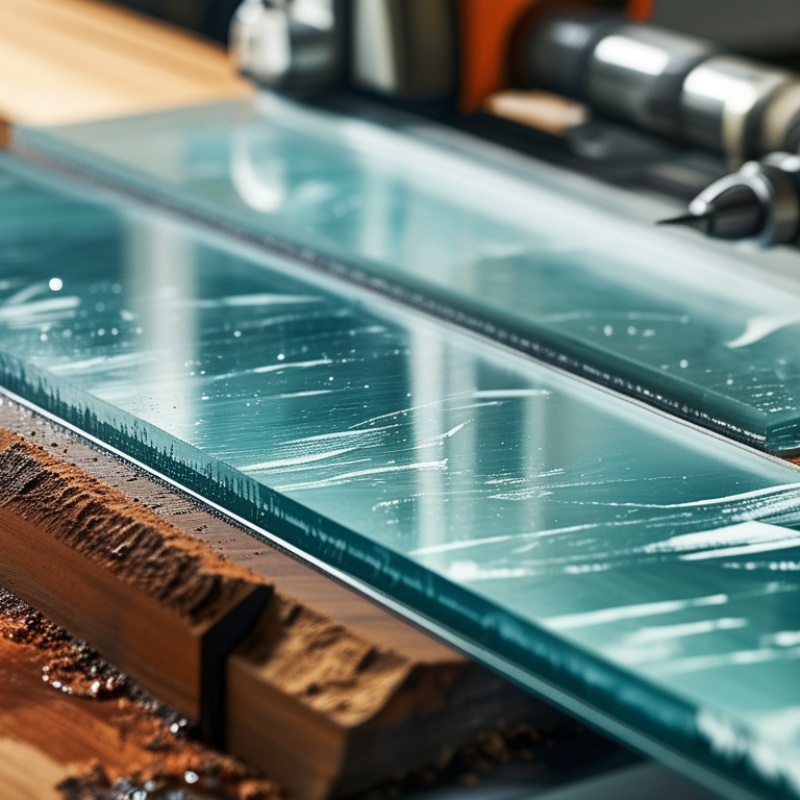
Cleaning TCT saw blades after cutting resin is crucial for maintaining performance. The right tools can make this task efficient and effective. One essential tool is a soft-bristle brush. This helps remove resin residues without damaging the blade surface. A thorough brush can dislodge stubborn debris, preventing build-up.
Another important tool is a cleaning solvent. A dedicated resin remover can dissolve hard-to-reach deposits. Apply the solvent according to the manufacturer’s instructions. Use gloves and work in a well-ventilated area. An old toothbrush can also be handy for detailed cleaning. Its small bristles can fit into tight spaces, ensuring thorough cleaning.
Lastly, consider using a bucket of warm water for rinsing. This can wash away excess solvent and resin. While using these tools, remember that care is necessary. Not all methods work for every situation. Keeping an eye on your blade's condition is equally important. Regular cleaning prevents wear, but overdoing it may dull the blade’s edge. Find a balance that maintains blade integrity while ensuring cleanliness.
Cleaning TCT saw blades after cutting resin is crucial for maintaining their efficiency. Start by gathering the necessary supplies. You will need a soft brush, warm soapy water, and a small plastic scraper. It’s essential to choose materials that won’t damage the blade. Avoid using harsh chemicals, as they can impact blade longevity.
Begin the process by letting the blades cool down completely. Resin is sticky and challenging to remove while warm. Dampen the brush in the soapy water, and begin gently scrubbing the blade. Pay special attention to the teeth where resin tends to accumulate. The plastic scraper can help remove stubborn bits. Rinse the blade with clean water to ensure no soap residue remains.
After rinsing, dry the blades thoroughly with a soft towel. Any moisture left can lead to rusting, which compromises the blade. Reflect on your cleaning technique. If you notice any damage, consider fine-tuning your approach. Regular maintenance can prevent excessive buildup and prolong the life of your saw blades. Easy and effective cleaning will keep your equipment in top shape.
| Step | Description | Materials Needed | Duration |
|---|---|---|---|
| 1 | Remove the saw blade from the machine. | Safety gloves, wrenches | 5 minutes |
| 2 | Soak the blade in a resin removal solution. | Resin cleaner, container | 15-30 minutes |
| 3 | Gently scrub the blade with a brush. | Soft bristle brush | 10 minutes |
| 4 | Rinse the blade thoroughly with water. | Water, spray nozzle | 5 minutes |
| 5 | Dry the blade completely. | Clean cloth, compressed air | 10 minutes |
| 6 | Inspect the blade for any remaining resin. | Inspection tools | 5 minutes |
Cleaning TCT saw blades after cutting resin is critical. Resin can accumulate quickly, hindering performance. To prevent build-up, consider proper techniques and regular maintenance.
One practical tip is to use a suitable cleaning solution. Choose a solvent designed for resin removal. Apply it generously and let it sit for a few minutes. This process helps dissolve stubborn residues. Scrubbing gently with a soft brush can further remove any remaining debris. It’s essential to avoid using harsh tools, as they can scratch the blade's surface and compromise its efficiency.
Another effective way to prevent resin build-up is to minimize cutting speed and pressure. Slower cuts reduce heat, decreasing resin adhesion. Ensure that your saw blade is correctly aligned and that the material is secured. Real-world adjustments can lead to improved results. Regularly inspect your blades for signs of wear. Over time, even high-quality blades can develop issues that make them more prone to resin build-up. Being aware allows timely interventions and maintenance, enhancing lifespan and cutting performance.
Maintaining TCT saw blades is crucial for their longevity and performance. Proper care can save you time, money, and effort in the long run. A clean blade cuts more efficiently and lasts longer, especially after cutting resin. Resin can quickly build up on blades, affecting their performance. Regular maintenance is key to avoiding unnecessary wear.
To clean your TCT saw blades effectively, start by using a soft brush to remove debris. This initial step is vital to prevent buildup. Next, immerse the blade in a cleaning solution designed for saw blades. Allow it to soak for the recommended time. After soaking, scrub the blade gently with a non-abrasive pad. Rinse thoroughly and dry to prevent rust.
Consider these tips for better maintenance: Inspect your blades regularly for any signs of wear or damage. Dull blades impose more stress on your saw and can lead to poor cutting quality. Store blades properly in a dry environment, avoiding moisture. Proper storage reduces the risk of rust and prolongs their lifespan. Maintenance can feel tedious, but it pays off in performance and safety.
Cleaning TCT saw blades effectively after cutting resin is crucial for maintaining their performance. However, the cleaning process generates materials that require safe disposal to ensure environmental safety. Dispose of used cleaning materials, such as cloths and solvents, responsibly. These items can contain harmful substances that may affect the soil and water if not managed properly.
Start by placing all used cleaning supplies in a designated waste container. Label the container clearly to indicate its contents. Using the right container prevents accidental spills and exposure. If your area has specific disposal regulations, follow them diligently. Research local guidelines to avoid fines or environmental issues.
Consider using eco-friendly cleaning options whenever possible. They may not only simplify disposal but also reduce your ecological footprint. While aiming for a clean blade, we must remember that our actions have a larger impact. Reflecting on disposal practices can lead to better choices in the future. It’s vital to create a balance between maintaining equipment and caring for the environment effectively.
: Soft-bristle brushes, cleaning solvents, and warm water are essential. They help remove resin without harming the blades.
Apply the solvent as directed. Use gloves and work in a well-ventilated area for safety.
Resin is challenging to remove while warm. Cooling allows easier removal without damaging the blade.
Reflect on your cleaning technique. It may require adjustments to prevent future damage and wear.
Place used materials in a labeled waste container. Follow local disposal regulations to avoid environmental harm.
Yes, harsh chemicals can shorten blade life. Use safe, gentle cleaning options instead to maintain longevity.
Regular cleaning is key, but excessive cleaning can dull the edge. Find a balance that works for you.
Gather supplies, scrub with soapy water, and use a plastic scraper for stubborn bits. Rinse and dry properly.
Yes, they simplify disposal and help reduce your ecological footprint. Consider these options for a cleaner process.
Dry blades thoroughly with a soft towel. Any moisture left can lead to rust, compromising blade performance.
Cleaning TCT saw blades after cutting resin is essential to ensure optimal performance and longevity. To effectively clean TCT saw blades after cutting resin, one should have the right tools, including a suitable cleaning solution, brushes, and protective gear. The process involves carefully removing the resin with a step-by-step technique, ensuring that the blades are not damaged in the process.
Additionally, adopting best practices for preventing resin build-up, such as regular cleaning and proper storage, can significantly enhance the lifespan of the blades. Maintaining TCT saw blades also involves inspecting them for wear and tear, which can prevent future issues. Lastly, safe disposal of the cleaning materials is crucial to maintain a clean and safe working environment. In summary, knowing how to clean TCT saw blades after cutting resin is vital for any professional looking to maintain equipment efficiency and performance.
