In the world of cutting tools, understanding "what is the difference between diamond and TCT blades" is crucial for professionals. Expert John Reynolds, a well-respected figure in the cutting tools industry, once stated, "The choice of blade can make or break your project." His insight emphasizes the importance of knowing each blade's attributes.
Diamond blades feature a matrix of diamond segments, providing superior hardness and longevity. They excel on hard materials like concrete and granite. On the other hand, TCT (Tungsten Carbide Tipped) blades incorporate carbide tips, perfect for wood, metal, and soft masonry. Each blade serves its purpose, but using the wrong one can lead to reduced performance and damaging results.
Choosing the right blade is not always straightforward. Many users struggle to identify the optimal option for their specific tasks. Misunderstanding the properties of diamond versus TCT blades can result in inefficient cuts. It’s essential to carefully evaluate the materials you’re working with, ensuring the right selection for the best outcome.
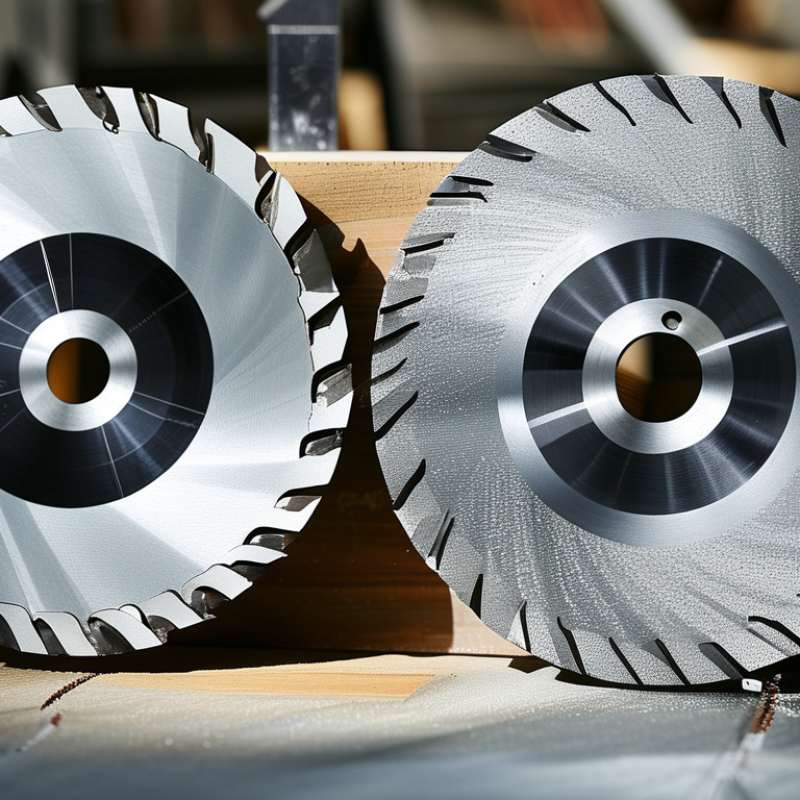
Overview of Diamond Blades: Composition and Uses in Cutting Applications
Diamond blades are specifically designed for cutting hard materials. They consist of a steel core and a diamond grit edge. This unique composition allows them to handle tough jobs that standard blades cannot. The diamonds are strategically placed to optimize cutting efficiency and durability.
These blades excel in various applications, including cutting concrete, asphalt, and ceramics. The high-temperature resistance of diamond blades makes them ideal for heavy-duty tasks. Their ability to produce clean, smooth cuts enhances the overall quality of work. However, using diamond blades requires attention. Misuse or improper applications can lead to rapid wear or even blade failure.
Though diamond blades are highly effective, they aren’t infallible. They can become brittle with excessive heat. Regular maintenance and correct usage are crucial for longevity. Understanding the specific cutting requirements is vital to achieve the best results. Always consider the material type and thickness when selecting a blade. This approach ensures optimal performance and can prevent costly mistakes.
Comparison of Diamond and TCT Blade Performance
This chart compares the performance of diamond blades and TCT blades across several dimensions including cutting speed, durability, material versatility, and cost. Diamond blades generally offer superior performance in most categories, while TCT blades are more cost-effective alternatives.
TCT (Tungsten Carbide Tipped) Blades: Features and Cutting Mechanisms
TCT (Tungsten Carbide Tipped) blades are popular tools in construction and manufacturing. They consist of a steel body with tungsten carbide tips, designed for enhanced durability and cutting efficiency. These blades excel at cutting materials like wood, masonry, and metals. A study by the American National Standards Institute (ANSI) shows that TCT blades can last up to five times longer than standard steel blades when used correctly.
The cutting mechanism of TCT blades relies on the hardness of the tungsten carbide tips. These tips maintain sharpness longer than traditional materials. They utilize a strategy of scoring the material before cutting. This technique reduces friction and prevents overheating. It's important to maintain the blade properly to ensure optimal performance. Using appropriate cutting speeds also contributes to higher efficiency.
Tip: Always match the blade to your material. This simplifies cutting and extends the lifespan of the tool.
TCT blades come in various shapes, allowing adaptability for different tasks. Notably, while they are robust, they're not indestructible. Users often overlook that applying excessive pressure can lead to ineffective cuts and blade damage. A report from the International Cutting Tool Association (ICTA) suggests that over 30% of blade failures stem from misuse. Regular inspection and replacement are crucial for efficiency.
Comparative Analysis: Performance Metrics of Diamond vs. TCT Blades
When comparing diamond blades to TCT (Tungsten Carbide Tipped) blades, several key performance metrics come into play.
Diamond blades excel in cutting hard materials like concrete, brick, and stone. Their structure allows for more precise cuts and a longer lifespan. They can withstand extreme temperatures and do not wear down easily. This durability makes them a favorite for heavy-duty jobs.
On the other hand, TCT blades are effective for softer materials such as wood and laminated surfaces. They tend to be more affordable than diamond blades. However, they may not last as long when dealing with abrasive materials. The cutting edges can dull more quickly, requiring frequent replacements.
Choosing the right blade depends on the material being cut and the intended use. One might consider a diamond blade for larger projects, knowing its investment returns in durability. Yet, TCT blades can suffice for smaller tasks. Reflecting on your needs and the specific project materials is crucial for making the right decision. Balancing costs and performance metrics can lead to more efficient work outcomes in various applications.
Typical Lifespan and Cost Efficiency of Diamond and TCT Blades in the Industry
When comparing diamond blades and TCT (Tungsten Carbide Tip) blades, understanding their lifespan and cost efficiency is crucial.
Diamond blades typically last longer, often ranging from 120 to 200 cutting hours, depending on the material.
Their design allows efficient cutting on hard surfaces like asphalt and concrete.
In contrast, TCT blades have a shorter lifespan, averaging 60 to 100 cutting hours, making them less suitable for demanding materials.
Cost efficiency also varies. While diamond blades are initially more expensive, costing around 30% to 50% higher than TCT blades, they offer greater longevity.
A typical diamond blade might reduce the need for frequent replacements, translating to long-term savings.
TCT blades are less costly upfront but require more frequent replacements, which can add to their overall expenditure.
Moreover, industry reports indicate that more professionals are gravitating towards diamond blades for heavy-duty tasks.
Yet, some in the industry note the challenge of choosing the right blade for specific applications.
This emphasizes the importance of understanding individual project needs to optimize blade selection effectively.
Application Suitability: Choosing Between Diamond and TCT Blades for Projects
When choosing between diamond and TCT blades, consider your project's specific needs. Diamond blades are best for cutting hard materials like concrete and stone. They provide precision and durability. TCT blades, or tungsten carbide-tipped blades, excel in cutting softer materials such as wood and some metals. Their design allows for efficient and smooth cuts, making them ideal for various applications.
Selecting the right blade can feel overwhelming. Not all projects are straightforward. Some may require a blend of materials. For instance, if you're working on mixed media, you might find yourself switching between blades. This can disrupt workflow and increase costs. Understanding the material properties and the blade capabilities is crucial. Take time to analyze your project requirements.
Applications vary widely, so experience plays a key role. If you're a novice, test both types before committing. You might discover that a TCT blade works better for certain projects. Yet, don't overlook diamond blades for occasional heavy-duty tasks. Finding the right fit is a journey filled with learning and adjustment. Your choices will shape the outcome of your work. Reflect on your experiences to make informed decisions in the future.
FAQS
: TCT blades have a steel body with tungsten carbide tips. They are known for durability and cutting efficiency.
TCT blades can last up to five times longer than standard steel blades if used properly.
TCT blades excel at cutting wood, masonry, and metals. They are effective for softer materials.
Proper maintenance ensures optimal performance and extends the blade's lifespan. Neglect can lead to poor cuts.
Excessive pressure may cause ineffective cuts and damage to the blade. It's essential to apply just the right force.
Diamond blades perform better on hard materials. TCT blades are more affordable but may dull more quickly on abrasive materials.
TCT blades may not be suitable for heavy-duty work. They typically have a shorter lifespan compared to diamond blades.
Consider the material, project needs, and cost. Choosing the right blade impacts performance and efficiency.
Regular inspections and matching the blade to the material can extend its lifespan.
TCT blades generally last around 60 to 100 cutting hours, depending on usage and material.
Conclusion
In the construction and manufacturing industries, understanding "what is the difference between diamond and TCT blades" is crucial for selecting the right cutting tool for specific applications. Diamond blades are composed of high-strength diamond segments, making them ideal for cutting through hard materials such as concrete, asphalt, and granite. Their exceptional durability and cutting speed often justify their higher cost.
On the other hand, TCT (Tungsten Carbide Tipped) blades feature tips made from tungsten carbide, providing a balance of performance and affordability. These blades excel in cutting softer materials like wood and plastics. In a comparative analysis, diamond blades generally outperform TCT blades in terms of lifespan and cutting efficiency; however, TCT blades offer better cost efficiency for less demanding tasks. Ultimately, choosing between diamond and TCT blades depends on the specific project requirements, material type, and desired cutting quality.
 Karam Tools
