Karam Tools Karam Tools

Why Is My Circular Saw Smoking When Cutting Wood?

Time:2026-06-18 Author:Isabella
0%

When using a circular saw, encountering smoke during a woodcut can be alarming. This issue raises the question, "why is my circular saw smoking when cutting wood?" According to industry reports, overheating blades can lead to smoke generation. A recent study found that nearly 30% of users experienced this problem at some point. Experts warn that improper blade type or dullness significantly contributes to this phenomenon.

Renowned saw expert, John F. Matthews, states, "A smoking circular saw often signifies more than just a dull blade." His insights highlight the importance of understanding the saw's mechanics. Users must ensure they're using the right blade for the material. Blade speed and feed rate also play crucial roles in preventing overheating.

Inadequate cooling during cut operations can lead to smoke formation too. Dust and wood particles accumulating on the blade create excessive friction. This not only damages the blade but increases fire hazards. Practicing proper maintenance and blade selection can easily resolve these issues. A proactive approach helps to minimize risks and improve performance, ensuring a smoother cutting experience.
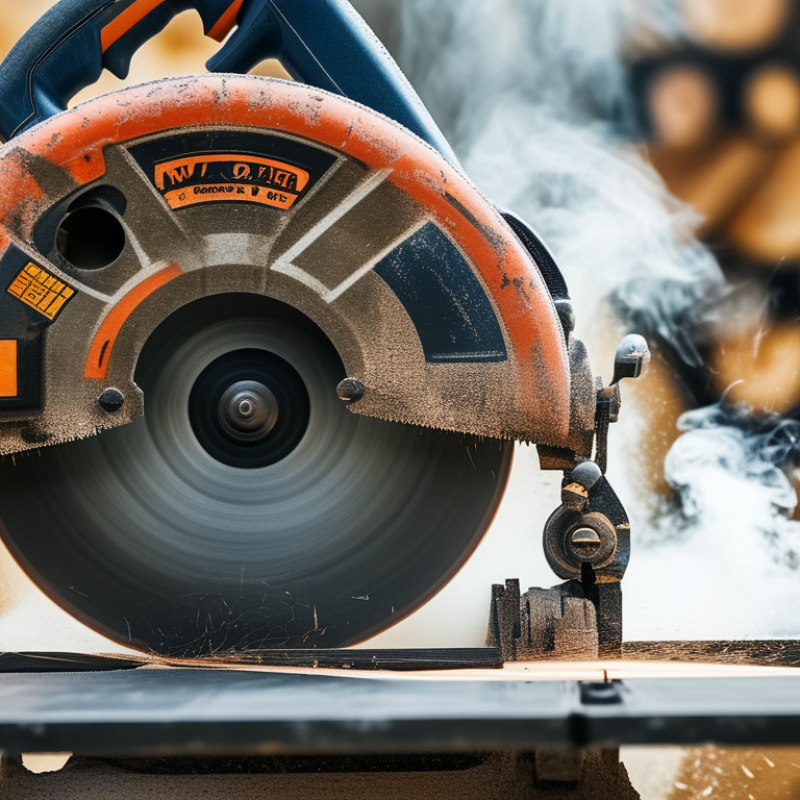
Why Is My Circular Saw Smoking When Cutting Wood?

Understanding the Causes of Smoking in Circular Saws During Wood Cutting

When using a circular saw, encountering smoke during wood cutting can be alarming. Understanding the causes is essential for safe and effective operation. One prevalent reason for smoking is using dull blades. A dull blade requires more force, generating heat that leads to smoke. Industry reports reveal that a well-maintained blade can cut wood more efficiently. Studies suggest that over 70% of professionals prioritize blade sharpness for optimal performance.

Another important factor is cutting speed. Operating the saw too quickly can cause friction, resulting in overheating. The wood’s moisture content also plays a role. Dry wood tends to produce more smoke as it burns during cutting. Experts recommend monitoring speed and selecting the right blade type for the material. A mismatch increases the risk of smoking and can damage the saw.

Moreover, inadequate lubrication can cause the saw to heat excessively. Regular maintenance and appropriate care are vital. Neglecting these aspects could lead to not just smoking, but also potential accidents. Reflecting on these issues can help woodworkers optimize their techniques and ensure a safer cutting experience.

Key Factors Contributing to Overheating and Smoke Production

Overheating is a common issue when using a circular saw for cutting wood. A sharp blade is essential. If the blade is dull, it requires more force. This pressure generates excess friction, resulting in smoke. Additionally, the wrong type of blade can lead to similar problems. Choosing the appropriate blade for the specific wood type is crucial.

Another factor is the feed rate. Pushing the saw too quickly can produce heat. It's essential to maintain a steady pace. If the saw struggles, it’s often a sign that adjustments are needed. Cleanliness also plays a role. Dust and wood debris can accumulate in the saw's housing. This buildup can block ventilation, leading to overheating.

Examine your technique as well. A proper cutting stance contributes to better control and efficiency. If you notice smoke, pause and assess the situation. Frequent adjustments can help avoid damaging both the saw and the material. Ensuring good maintenance practices can prolong your tool’s life and improve cutting performance.

Impact of Dull Blades on Cutting Efficiency and Smoke Generation

Dull blades significantly impact the efficiency of cutting wood. When the blade is worn, it struggles to slice through the material effectively. This struggle leads to excessive friction, which generates heat. As the heat rises, smoke starts to billow from the cutting area. It's not just a visual distraction; it signifies that the blade is working too hard.

The smoke is often a clear sign that it's time for maintenance. An unsharpened blade not only slows progress but can create a hazardous situation. Operators may become frustrated with the slow cuts. They might not immediately connect the problem to the blade’s condition. This oversight can lead to safety issues, including wood catching fire.

Users should regularly check their blades for sharpness. A simple test involves running your fingers along the edge. If it feels dull, it's time to sharpen or replace the blade. In woodworking, attention to these details is crucial. Every craftsman has faced the issue of smoke from a circular saw at some point. Acknowledge the signs and address them promptly to enhance both safety and performance.

Why Is My Circular Saw Smoking When Cutting Wood?

Blade Condition Cutting Speed (RPM) Wood Type Smoke Generation (Severity) Cut Quality
Dull 4000 Pine High Rough
Sharp 5000 Oak Low Smooth
Dull 4500 Maple Moderate Average
Very Dull 3000 Birch Very High Poor

Correct Blade Type and Material for Optimal Cutting Performance

When cutting wood, using the correct blade type and material is crucial for performance. A saw blade made from high-speed steel (HSS) or carbide-tipped material can significantly affect the outcome. According to industry reports, a mismatch between the blade and the wood's density can lead to overheating. This overheating causes smoke, which can damage the saw and ruin the cut.

The tooth design of the blade also influences cutting efficiency. For softwoods, a blade with fewer teeth allows for faster cuts. Conversely, hardwoods benefit from blades with more teeth for finer finishes. A report by the Woodworking Machinery Manufacturers of America highlights that the right tooth count can enhance not just aesthetics but also improve safety by reducing friction.

Tips: Always inspect your blade for wear before use. Dull blades create more friction, leading to smoke. Keep a proper RPM setting for your material type—too high can be just as problematic.

In some cases, you may still experience smoking, even with the right blade. This can stem from feeding the wood too quickly. A steady feed while allowing the saw to do its job is essential for optimal results. It's all about balance; finding the right pace can prevent unnecessary wear on both the blade and the equipment.

Cutting Performance of Circular Saws Based on Blade Type

This chart illustrates the average cutting temperatures for different types of circular saw blades. Proper blade selection can significantly affect cutting performance and reduce the risk of smoking during use.

Best Practices to Prevent Smoking and Ensure Safe Circular Saw Use

When using a circular saw, smoke during wood cutting is often a sign of trouble. This can happen due to various reasons. Understanding best practices is essential to ensure safety and reduce smoke.

One crucial tip is to keep your blade sharp. A dull blade requires more force to cut. This extra pressure generates heat, creating smoke. Regularly check and replace blades when needed. Ensure they are suitable for the type of wood you are cutting. Cutting through hardwoods with an incorrect blade can lead to problems.

Another important practice is to maintain proper feed speed. Pushing the saw too fast can cause overheating. Wait for the saw to cut through the wood smoothly. Listen for changes in sound; if it sounds strained, ease up. This approach will not only prolong the tool's life but also enhance your cutting efficiency.

Lastly, keep your workspace clean and free of debris. Dust accumulation can add to overheating. Always wear protective gear, like goggles and masks, to keep yourself safe from sawdust and potential injuries. Implementing these practices can significantly improve your circular saw's performance.

FAQS

: Why does my circular saw produce smoke when cutting wood?

: Smoke usually occurs due to dull blades. Dull blades require more force and generate excess heat.

How important is blade sharpness during cutting?

Blade sharpness is crucial. A sharp blade cuts efficiently and reduces the risk of overheating and smoke.

What role does cutting speed play in generating smoke?

Cutting too quickly creates friction, which leads to overheating and smoke. A steady pace helps maintain optimal conditions.

How does the wood's moisture content affect smoke production?

Dry wood produces more smoke as it burns during cutting. Moisture in wood can help reduce the likelihood of smoking.

What blade type should I use for different wood densities?

For softwoods, use blades with fewer teeth. Hardwoods require blades with more teeth for better performance.

What maintenance should I perform on my circular saw?

Regularly inspect and replace dull blades. Keep the saw lubricated and clean to prevent smoke and overheating.

Can feeding wood too quickly cause issues while cutting?

Yes, feeding the wood too fast can lead to smoking. A steady, balanced feed is necessary for effective cutting.

How does workspace cleanliness affect cutting performance?

A clean workspace helps prevent overheating. Dust can accumulate, which adds to friction and increases the chance of smoke.

What safety gear should I wear during cutting?

Always wear protective goggles and masks. This protects against sawdust and any potential injuries while cutting.

Conclusion

If you've ever wondered "why is my circular saw smoking when cutting wood," it’s essential to understand the underlying causes that lead to this issue. Smoking commonly occurs due to overheating, which can be triggered by various factors including dull blades, improper blade type, or using the wrong materials. A dull blade, for instance, significantly decreases cutting efficiency and can create excessive friction, resulting in smoke.

To prevent smoking and ensure safe use of your circular saw, it's crucial to use sharp blades suitable for the material you're cutting. Additionally, maintaining proper speed and pressure during operation, along with regular maintenance checks, can help in avoiding overheating. By following best practices and being mindful of these key factors, you can enhance your circular saw's performance and keep your woodworking projects smoke-free.

Isabella

Isabella

Isabella is a dedicated marketing professional with a sharp focus on driving brand growth and engagement through strategic content creation. With an extensive background in digital marketing, she combines her passion for storytelling with her keen understanding of industry trends to deliver......