Karam Tools
Choosing the right saw blade for hardwood can be challenging. According to woodworking expert Chris Marshall, “The right blade can make all the difference in achieving a clean cut.” Understanding the nuances of saw blades is essential for anyone working with hardwood.
A high-quality saw blade can significantly impact your project. Blade tooth count, material, and design play crucial roles. You may find that a blade designed for softwood may not yield the results you expect on oak or maple. Knowing how to choose the right saw blade for hardwood involves considering these factors closely.
Many woodworkers overlook the importance of blade maintenance, which can lead to subpar cuts. Dulling blades can create burn marks and jagged edges. This could cause frustration and wasted materials. Reflecting on these details can improve your woodworking experience drastically. Investing time in understanding saw blades will pay off in quality results.
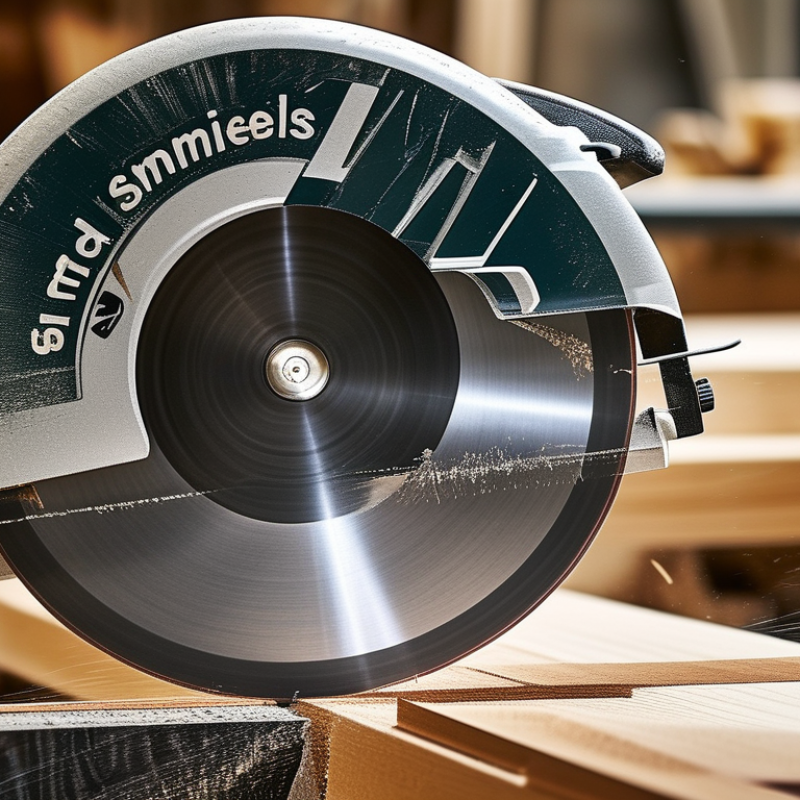
When selecting the best saw blade for hardwood, understanding hardwood types is crucial. Hardwoods like oak, maple, and cherry exhibit different densities and hardness levels. Oak is dense and often requires a higher tooth count for smooth cuts. Maple, while also hard, can produce splintering if not cut properly. Cherry is softer, yet still requires attention to detail to maintain the quality of the cut.
Blade design is equally important. A blade with carbide tips often lasts longer and provides cleaner cuts. Choosing a blade with the appropriate tooth geometry can make a significant difference. For instance, alternate top bevel (ATB) teeth are common for crosscuts, while flat-top grind (FTG) teeth work best for ripping. Experimenting with these options can lead to better finishes.
It’s essential to consider the application. Not all blades will perform the same in various projects. Some blades are designed for specific cuts, while others are more versatile. Regularly inspecting and replacing blades is necessary, as worn blades can lead to jagged edges and frustration. Reflecting on past experiences can help improve future choices, guiding you to the best blade for your needs.
Choosing the right saw blade for hardwood can significantly impact the quality of your cuts. Certain features make a saw blade particularly suitable for hardwood. One crucial aspect is the number of teeth on the blade. Blades with 40 to 80 teeth are often preferred for hardwood. They offer cleaner cuts and reduce tear-out, which is essential for achieving high-quality finishes.
Another key feature is the tooth geometry. Blades with a combination of flat-top and alternate top bevel (ATB) teeth are commonly recommended. This design provides a balance between efficient material removal and a smooth finish. Research indicates that a properly designed tooth geometry can improve the cut quality by as much as 30%.
Additionally, the construction material of the blade matters. Carbide-tipped blades are favored for their durability. Studies have shown that carbide-tipped blades can last up to five times longer than standard steel blades when used on hardwood. However, not all carbide blades are equal. Some may wear down more quickly if improperly maintained. Proper care can significantly extend the lifespan of your blade and enhance performance.
Tooth geometry plays a crucial role in cutting hardwood effectively.
When choosing a saw blade, consider the shape and angle of the teeth.
Different designs yield varying results. For instance, flat-top teeth excel in making smooth cuts.
Meanwhile, alternating top bevel teeth provide versatility between ripping and cross-cutting tasks.
The number of teeth also matters. Fewer teeth allow for faster cuts but can lead to rough edges.
More teeth result in cleaner, finer cuts but may require additional power to operate efficiently.
It’s essential to balance speed and finish based on the hardwood type and project requirements.
Experimenting with different tooth geometries can reveal what best suits your needs.
Inexperienced users may find this process daunting.
Reflection on past cuts can guide future choices. Sometimes, less isn’t more; an optimal number of teeth often yields better results.
Understanding tooth geometry not only improves your work but also fosters greater confidence.
Choosing the right saw blade for hardwood involves understanding material and coating options vital for durability. Commonly, blades are made from high-speed steel (HSS), carbide, or bi-metal materials. HSS offers excellent toughness for softer woods but may struggle with hardwood durability. Contrarily, carbide-tipped blades maintain sharpness longer and withstand the high stress of hardwood cutting.
Coating plays an equally important role. Blades are often coated with titanium or tungsten, enhancing their lifespan significantly. According to industry reports, coated blades can reduce friction and extend use by up to 50%. However, these benefits can vary based on specific usage and environment. Some users note that coatings can wear off over time, leading to reflections on long-term value versus initial cost.
Additionally, selecting a blade's tooth count is essential for the desired finish. Fewer teeth produce faster cuts, while more teeth provide smoother results. However, striking a balance is challenging. If the tooth count is too low, it may lead to rough edges. Conversely, too many teeth can slow the process. Industry experts suggest analyzing your specific hardwood project to determine the optimal configuration.
Maintaining hardwood saw blades is crucial for optimal performance. Regular cleaning helps prevent resin build-up. A simple solution is warm water and mild soap. Soaking the blades can loosen debris. Avoid using harsh chemicals, as they may damage the blade's finish.
Sharpening is another key aspect of maintenance. A dull blade creates friction and reduces cutting efficiency. You can sharpen the blades using a professional service or sharpening tools designed for this purpose. Pay attention to the angle when sharpening, ensuring it matches the original.
Storing blades properly is also important. Keep them in a dry place to avoid rust. Use blade guards or cases to protect cutting edges. Regular checks for signs of wear can help catch issues early. Taking these steps can enhance the life of hardwood saw blades. Reflect on your maintenance routine. Are you diligent enough? Small adjustments can make a significant difference.
: Tooth geometry refers to the shape and angle of saw teeth. It’s vital for effective hardwood cutting.
Different designs yield different results. Flat-top teeth are great for smooth cuts, while alternating designs offer versatility.
Yes, fewer teeth allow for faster cuts but can create rough edges. More teeth give cleaner cuts but need more power.
Experimenting with different geometries can help. Reflecting on past cuts can guide your future choices.
Common materials include high-speed steel, carbide, and bi-metal. Each has its pros and cons for hardwood cutting.
Coatings like titanium or tungsten enhance lifespan. They can reduce friction and extend use, but may wear off over time.
Fewer teeth mean faster cuts but rough edges. More teeth yield smoother results but can slow down the process.
Analyze your specific hardwood project. Balancing tooth count and geometry based on needs is key for optimal results.
Yes, coatings can wear off, posing a risk to long-term value. Reflecting on their durability versus initial costs is essential.
Not necessarily. Too many teeth can slow the cutting process. Sometimes, fewer teeth yield better overall performance.
Choosing the right saw blade for hardwood is crucial for achieving clean and efficient cuts. To begin with, understanding the various types of hardwood is essential, as this knowledge informs optimal blade selection. Key features to consider include the blade’s tooth count, which affects the smoothness of the cut, and the material and coating, which enhance durability and performance.
Moreover, tooth geometry plays a significant role in how effectively the blade can cut through hardwood, helping to prevent tear-out and ensuring precision. Lastly, regular maintenance is vital for prolonging the life of your saw blades, as it helps maintain their sharpness and performance. By focusing on these aspects, you can confidently choose the right saw blade for hardwood that meets your specific needs.
